
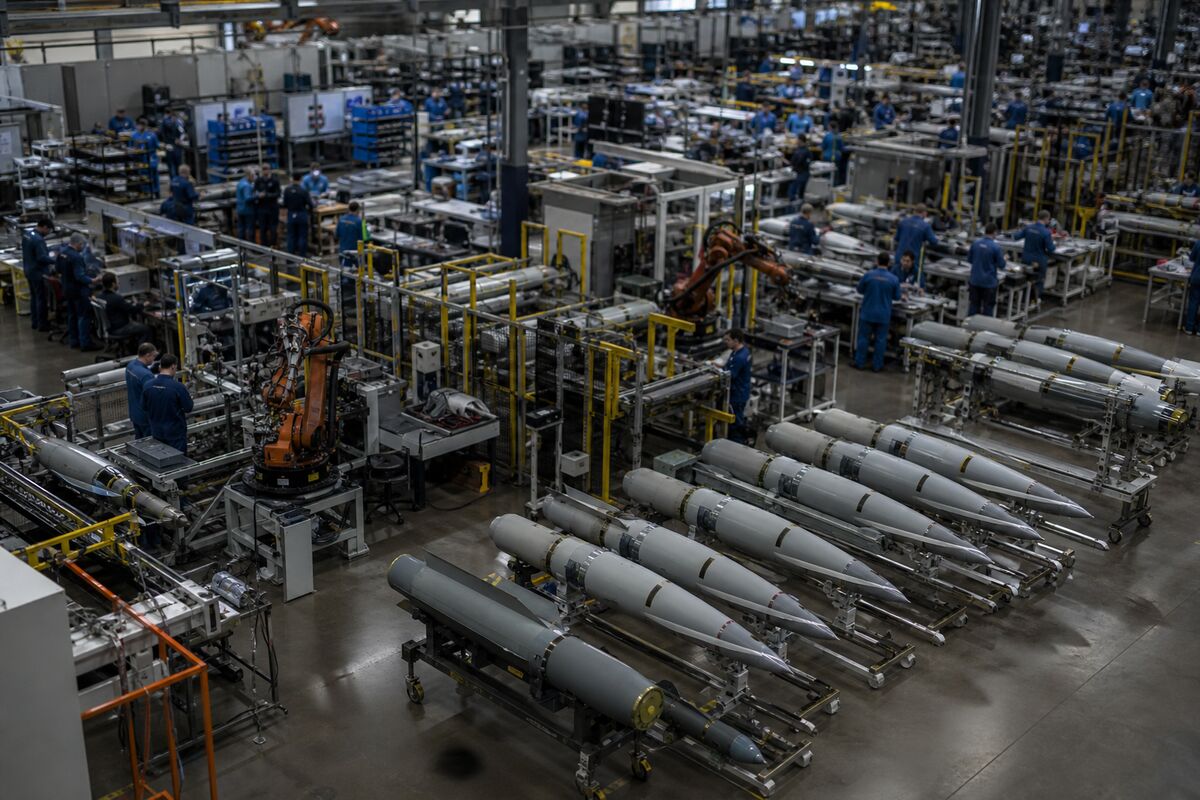
In a bold move that underscores the evolving landscape of defense spending, Raytheon (RTX) has secured a monumental $22.9 billion contract from the Pentagon aimed at ramping up production of its Tomahawk missiles. This seven-year deal not only enhances Raytheon's revenue visibility but also positions the company at the forefront of a defense sector that's increasingly influenced by global geopolitical tensions.
The significance of this contract cannot be overstated, particularly in the context of rising unrest in the Middle East. As Iran continues to exert its influence in the region, the U.S. government is compelled to bolster its defense capabilities. This contract with Raytheon reflects a strategic pivot towards ensuring military readiness and strength, especially with respect to assets like the Tomahawk missile, which has proven its worth in various conflicts.
Long-term Revenue Visibility
The $22.9 billion award will be executed over a seven-year period, providing Raytheon with a robust stream of revenue that could stabilize its financial outlook in a sector often subject to cyclical fluctuations. This long-term visibility is crucial for investors, as it mitigates some of the uncertainties associated with defense contracts that can be influenced by changing government priorities and budgetary constraints.
Geopolitical Context
Beyond the financial implications, this contract also speaks volumes about the current geopolitical climate. The tensions surrounding the Strait of Hormuz and Iran's military posturing have ramped up defense spending in the U.S., suggesting that Raytheon is well-positioned to capitalize on this trend. As the government prioritizes enhancing its military capabilities, companies like Raytheon stand to benefit significantly.
Impact on RTX Stock and Investor Sentiment
For investors in RTX, this contract is likely to have a positive impact on stock sentiment. The infusion of nearly $23 billion into Raytheon's operations could lead to increased investor confidence, especially if the company effectively leverages this contract to deliver on growth metrics moving forward. Investors are keenly watching how this deal translates into performance, particularly in a market where defense stocks have historically been viewed as a safe haven in times of uncertainty.
However, it is essential to maintain a balanced perspective. While the immediate implications of this contract are favorable, investors should consider broader market conditions and potential fluctuations in defense spending that could arise from political shifts or budgetary changes in the future.
As geopolitical tensions continue to shape defense policy, Raytheon's recent contract may signify a pivotal moment for RTX investors, presenting both opportunities and challenges in the evolving defense landscape.
For further details, refer to the original report on Reuters: here.