
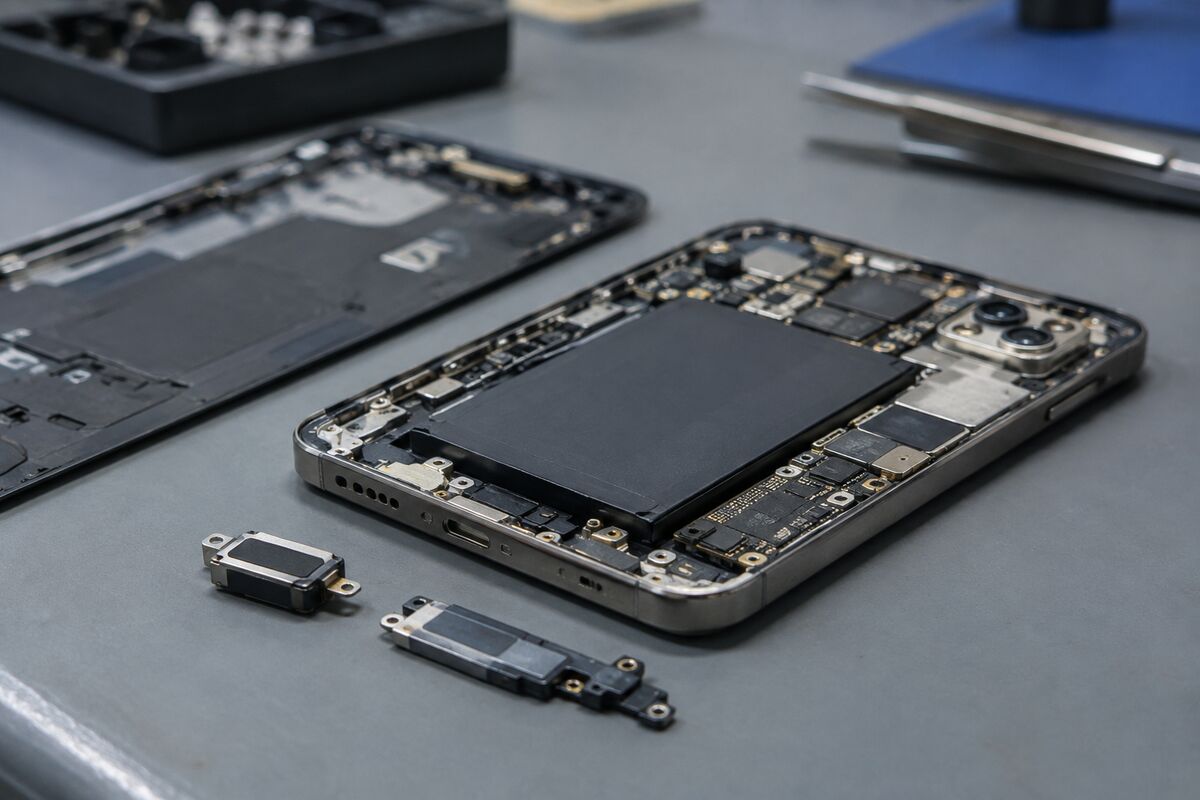
A $5.7 billion jury verdict is not a footnote, even for a company the size of Apple. A federal jury found Apple infringed two Taction Technology patents, creating a potentially significant legal and financial overhang for $AAPL.
The ruling concerns haptic feedback technology used in the iPhone and Apple Watch. Apple has stated that it plans to appeal, meaning the verdict may not represent a final financial obligation. But the scale of the award ensures that patent litigation now deserves a more prominent place in the Apple shareholder conversation.
According to CNBC's report, the federal jury awarded Taction Technology more than $5.7 billion after finding that Apple infringed two haptics patents. The reported verdict is tied specifically to technology that delivers tactile feedback in Apple products, including the iPhone and Apple Watch.
Why the number matters
Apple is one of the largest companies represented in both the S&P 500 and the Nasdaq-100. That scale does not make a verdict of more than $5.7 billion immaterial. It does, however, change the nature of the question for shareholders: the issue is less about whether Apple can absorb a potential obligation in isolation and more about how the case could affect earnings exposure, product strategy and future legal negotiations.
The key word is “potential.” Apple’s stated plan to appeal means the jury’s award is not necessarily the amount Apple will ultimately be required to pay. The appeal process could alter the financial outcome, but the assignment provides no basis for predicting its result or the final damages. A disciplined analysis must therefore treat the $5.7 billion figure as the amount awarded by the jury, not as a confirmed final cash cost.
Legal uncertainty is the immediate issue
For shareholders, the verdict creates uncertainty on several fronts. First, there is uncertainty over the eventual financial obligation. Second, there is uncertainty over how the dispute could affect the haptic technology used in two prominent product lines. Third, the case may become a reference point in future patent disputes involving major hardware companies.
That precedent risk matters because hardware products are built from thousands of technologies and components. A single patent dispute does not establish that other claims will succeed, and the reported facts do not support speculation about additional cases. Still, a large jury award may encourage closer scrutiny of intellectual-property claims across the hardware industry. It may also raise the stakes of licensing discussions and courtroom defenses in future disputes.
What shareholders can and cannot conclude
The facts support a clear conclusion: Apple faces a material legal dispute involving haptics technology in the iPhone and Apple Watch, and the jury’s more than $5.7 billion award is large enough to warrant attention. The facts do not support a conclusion about the final damages, the appeal outcome or any market reaction.
That distinction is essential. The case is a legal overhang, not a settled balance-sheet charge. Apple’s appeal plan keeps the final financial exposure unresolved. Until the process advances, shareholders are left assessing a range of possible outcomes rather than a definitive obligation.
The broader lesson is straightforward. Scale can cushion a company against an isolated legal award, but it does not eliminate the strategic cost of patent uncertainty. For Apple, the haptics verdict places litigation risk directly alongside product execution and financial performance as an issue requiring continued attention.
Bull/Bear Verdict
Bull Case: Apple’s stated plan to appeal means the more than $5.7 billion jury award may not become a final financial obligation, potentially limiting the eventual earnings exposure.
Bear Case: The federal jury’s finding that Apple infringed two haptics patents creates ongoing legal uncertainty around technology used in the iPhone and Apple Watch, with possible implications for future patent disputes.