
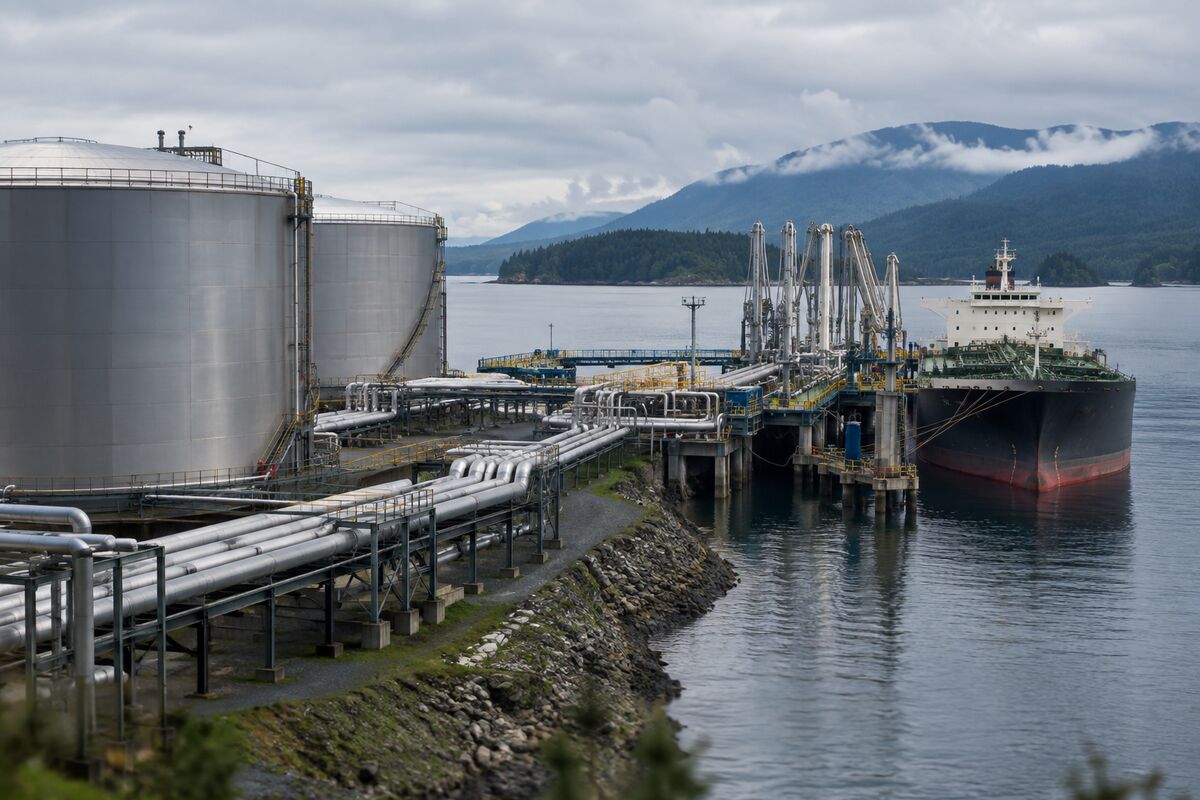
Canada’s oil patch is tracking toward its biggest M&A wave in a decade, and a new piece of infrastructure is sharpening the strategic conversation: access. Tamarack Valley Energy has secured 25,000 barrels per day of Trans Mountain pipeline capacity beginning in the first quarter of 2027, giving the producer a second long-term market route beyond its existing access to Cushing.
That change matters because Canadian producers are not evaluating growth plans in a vacuum. West Coast access could broaden the pool of markets available to Tamarack, while the broader M&A backdrop may encourage companies to reassess scale, capital discipline and the value of transportation certainty. The development is reported; its impact on valuations and consolidation remains forward-looking analysis.
The core fact is straightforward: Tamarack has secured 25,000 barrels per day of Trans Mountain capacity starting in the first quarter of 2027. The arrangement would provide access to West Coast markets alongside the company’s existing long-term access to Cushing. That combination gives the Canadian producer two distinct outlets identified in the source material, rather than relying on a single route for market access.
For investors assessing Canadian energy equities, the significance is less about one capacity contract in isolation and more about strategic flexibility. Additional pipeline egress may give producers greater room to evaluate production growth, asset combinations and longer-term operating plans. It does not automatically guarantee stronger earnings or a higher valuation, but it could make transportation access a more visible factor in how the market compares companies.
Why egress could influence strategy
Pipeline access can affect the quality of a producer’s growth options. When a company has access to both West Coast markets and Cushing, management may have more flexibility when considering production plans and capital allocation. That flexibility could support a more measured approach: growth can be evaluated against available transportation rather than pursued without a clearly identified outlet.
The same logic applies to capital discipline. Additional egress may reduce the strategic pressure to expand simply to overcome market-access constraints. Instead, producers could prioritize projects that fit within their transportation position and existing operating base. That is an analytical implication, not a reported result from Tamarack’s agreement.
The timing is also important. The Trans Mountain capacity begins in the first quarter of 2027, so the market is likely to assess the arrangement as a future strategic asset rather than an immediate change in operating performance. Any valuation response may therefore depend on how investors weigh the certainty of the capacity against the time remaining before it becomes available.
M&A enters the valuation debate
The source report frames the development within what could become the largest wave of Canadian oil-patch M&A activity in ten years. In that setting, transportation access may become a distinguishing feature in consolidation discussions. A producer with identified access to West Coast markets, in addition to Cushing, could appear strategically different from a company with fewer documented routes.
That distinction could influence how buyers assess assets and how shareholders evaluate potential combinations. Larger scale may improve strategic appeal if it brings together production, transportation access and capital resources. However, the available information does not identify additional transactions, purchase prices or valuation multiples. Any expected consolidation or valuation re-rating should therefore be treated as a possibility, not an established outcome.
For a data-focused investor, the key question is whether the market begins assigning greater value to reliable egress. Tamarack’s 25,000-barrel-per-day capacity is a specific, measurable development. The broader M&A thesis is less certain, but the combination of new West Coast access and a reported decade-scale consolidation wave gives Canadian energy equities a clear strategic theme to watch.
Bottom line: Tamarack Valley’s Trans Mountain capacity strengthens its described market-access position from the first quarter of 2027. Whether that translates into faster growth, more disciplined capital allocation or a higher valuation will depend on execution and investor interpretation. The reported infrastructure development is concrete; the potential sector-wide re-rating remains an analytical scenario. Read the underlying report from ZeroHedge for the source context.
Bull/Bear Verdict
Bull Case: Tamarack Valley’s secured 25,000 barrels per day of Trans Mountain capacity beginning in the first quarter of 2027 could improve strategic flexibility through West Coast access alongside existing long-term access to Cushing, potentially supporting consolidation interest and valuation re-ratings.
Bear Case: The capacity does not begin until the first quarter of 2027, and the available data identifies no completed M&A transactions, valuation multiples or immediate operating gains; the broader consolidation and re-rating thesis therefore remains uncertain.