
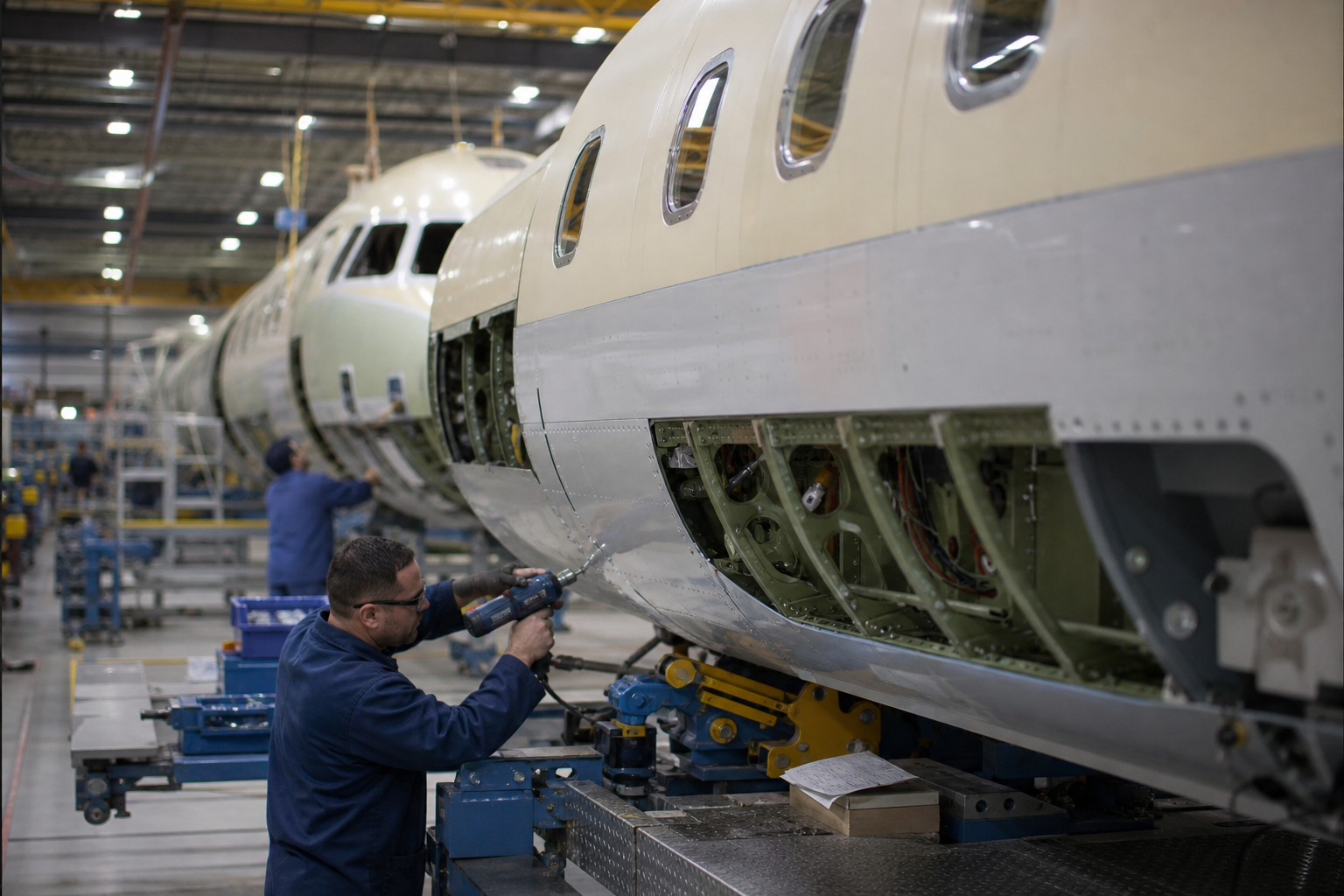
In a bold move that underscores its commitment to enhancing operational efficiency, Bombardier Inc. has announced the acquisition of Mitsubishi Heavy Industries Canada Aerospace, Inc. (MHICA) assets located in Mississauga, Ontario. This transaction not only augments Bombardier's manufacturing capabilities but also fortifies its supply chain, positioning the company to navigate ongoing global supply chain pressures more effectively.
As we dissect the implications of this acquisition, it's crucial to recognize the strategic landscape in which Bombardier operates. The aerospace sector has been beset by various challenges, from material shortages to logistical disruptions. By integrating MHICA's assets, Bombardier (TSX: BBD.A / BBD.B) could stabilize its production processes and enhance its operational agility, crucial factors in an industry where precision and timeliness are paramount.
Enhancing Manufacturing Capabilities
The acquisition of MHICA's assets is a calculated step toward bolstering Bombardier's manufacturing prowess. This facility is expected to contribute significantly to Bombardier's ability to produce components more efficiently and at a lower cost. In an era where margins are increasingly pressured, the ability to streamline production can be a game-changer.
Moreover, the integration of MHICA's resources aligns with Bombardier's strategic vision of becoming a more vertically integrated manufacturer. By controlling more of its supply chain, Bombardier may reduce dependency on external suppliers, which has been a significant vulnerability highlighted during the recent global disruptions.
Market Implications and Stock Performance
Investors will undoubtedly scrutinize the financial implications of this acquisition. While the immediate cost of acquiring MHICA's assets may impact Bombardier's balance sheet, the long-term benefits suggest a potential rebound in operational efficiency and profitability. The question remains: how will this acquisition affect Bombardier's stock performance amid broader market dynamics?
Historically, strategic acquisitions in the aerospace sector have led to improved stock valuations, particularly when they result in enhanced operational capabilities. If Bombardier can successfully integrate these assets and realize the anticipated efficiencies, we could see a positive impact on its margins. However, investors must remain cautious as the company navigates the complexities of integration while managing existing supply chain challenges.
Furthermore, Bombardier's recent strategic movements suggest a commitment to innovation and resilience, which may enhance investor confidence. As the aerospace market continues to evolve, Bombardier's proactive measures could position it favorably against competitors who may not be adapting as swiftly.
Conclusion
In summary, Bombardier's acquisition of MHICA's assets is a strategic maneuver aimed at reinforcing its manufacturing capabilities and supply chain resilience. As the company works to integrate these assets, stakeholders will be closely monitoring the impact on operational performance and stock valuation. In a turbulent global market, this acquisition could be the catalyst that propels Bombardier toward greater stability and success in the aerospace sector.
Read more about the acquisition here.