
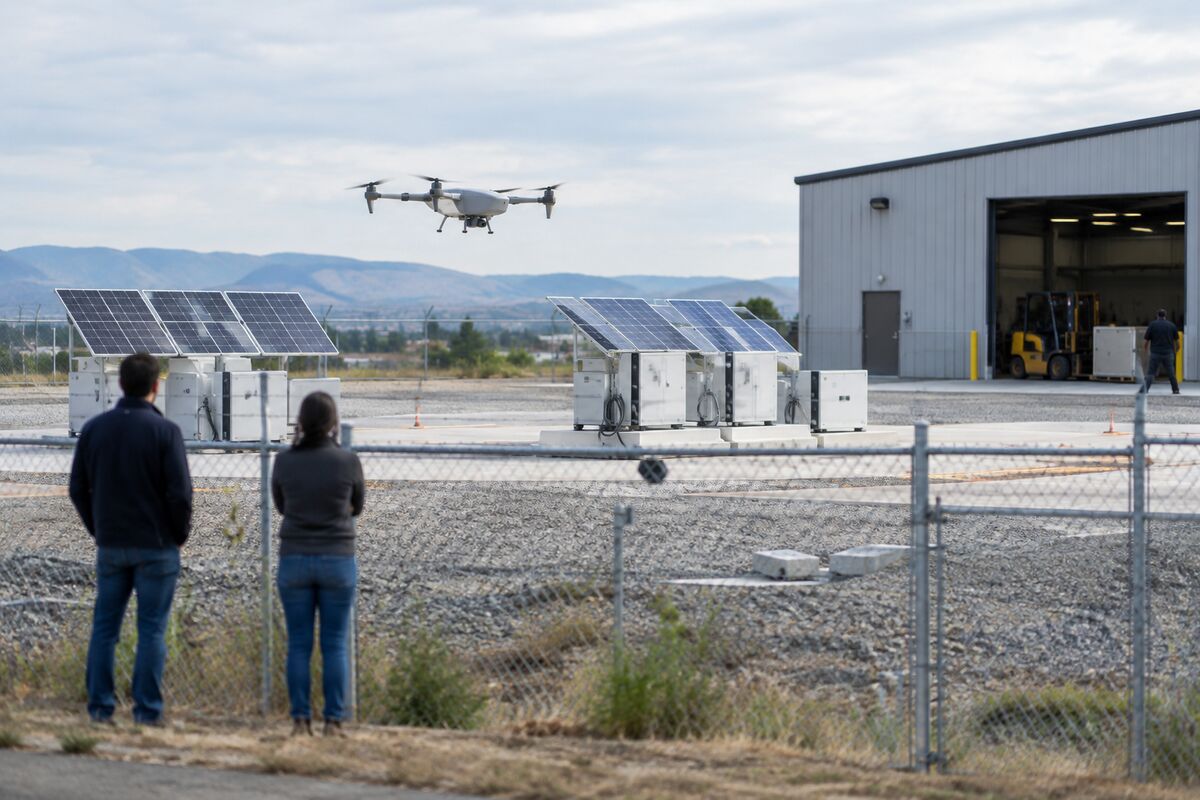
Beam Global’s agreement to acquire ScoutDI arrives as drones move from the edges of defense policy toward its center. The transaction is intended to create a vertically integrated U.S. drone platform serving industrial, government and defense markets—a strategy that could give the company a broader role in an increasingly important technology supply chain.
For investors who follow small-cap defense technology, the appeal is less about a confirmed contract or near-term financial result than about positioning. Beam Global is pairing its existing platform with ScoutDI’s drone technology in a market where autonomy, artificial intelligence and resilient infrastructure are becoming increasingly prominent themes.
A platform strategy, not a contract announcement
Beam Global signed a definitive agreement to acquire ScoutDI, according to the company announcement published through GlobeNewswire on October 7, 2026. The stated objective is to create a vertically integrated U.S. drone platform with applications across industrial, government and defense markets.
That distinction matters. The announcement describes a strategic combination, not a confirmed Pentagon award, funded program or projected revenue stream. The source does not provide acquisition terms or closing timing, and it does not establish that Beam Global or ScoutDI has secured a specific government contract. Those unanswered questions will remain central to how the market evaluates the transaction.
Why vertical integration matters
Vertical integration can potentially bring more of a product’s technology and delivery chain under one corporate roof. In this case, combining drone capabilities with Beam Global’s platform could allow the company to present a more unified offering to industrial, government and defense customers rather than operating as a standalone piece of the drone ecosystem.
That could matter in markets where buyers are increasingly focused not only on the aircraft or autonomous software, but also on dependable deployment and supporting infrastructure. The assignment’s broader context points to growing U.S. interest in drones, artificial intelligence, autonomous systems and resilient power infrastructure. A platform approach may therefore give Beam Global a way to connect several priorities in one strategic narrative.
Still, strategic logic is not the same as commercial validation. Integration can create opportunities, but the announcement does not confirm customer adoption, contract awards, financial benefits or the pace at which the combined platform could develop. For defense-focused investors, the key question is whether the proposed combination can translate a compelling architecture into qualified demand.
The policy backdrop is getting louder
The deal also lands against a policy and procurement backdrop that puts autonomous systems in the spotlight. The source references plans for a new Autonomous Warfare Command and Project Agincourt as examples of the broader U.S. defense focus on drones, AI and autonomous capabilities.
Those initiatives provide context for why drone technology may attract sustained attention across government and defense markets. They should not, however, be treated as confirmed business for Beam Global or ScoutDI. The connection is thematic: the acquisition is being announced while U.S. defense priorities are increasingly discussing autonomy and resilient systems.
What investors can—and cannot—read into the deal
For the small-cap market, the transaction offers a clear strategic thesis but limited confirmed financial detail. Investors can assess the potential benefit of combining ScoutDI’s drone technology with Beam Global’s platform and the possibility of serving multiple customer categories. They cannot yet assign specific revenue expectations, contract value or timing based on the information provided.
That makes execution the story’s missing chapter. The agreement may position Beam Global for greater relevance across the industrial, government and defense drone supply chain, but the eventual significance of the deal will depend on how the platform is integrated and whether customers respond. For now, the announcement is a blueprint—not proof that the blueprint has become a business.
Bull/Bear Verdict
Bull Case: The definitive agreement could give Beam Global a more integrated position across industrial, government and defense drone markets, aligning with rising U.S. interest in drones, AI and autonomous systems.
Bear Case: The announcement confirms a strategic agreement but provides no acquisition terms, closing timing, contract awards or financial projections, leaving the commercial outcome unconfirmed.