
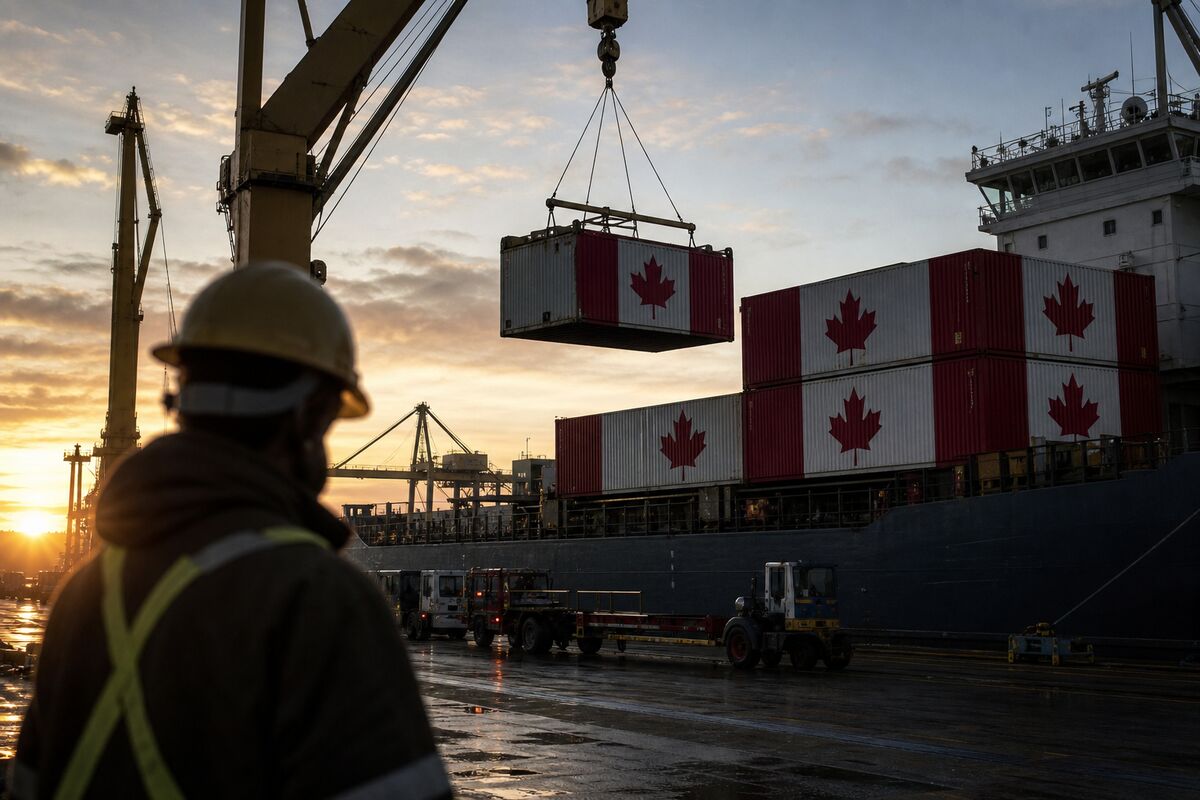
Brace yourselves, because the trade landscape between the U.S. and Canada just took a turn for the worse. The Trump administration's decision to impose a staggering 50% tariff on certain Canadian exports marks a significant escalation in tensions that were already simmering. This bold move comes in the wake of failed negotiations, leaving investors and exporters alike scrambling to assess the fallout.
The immediate effects of these tariffs are apparent. Canadian goods that once flowed freely into the U.S. market now face an oppressive barrier that could cripple various sectors. Investors with stakes in TSX-listed companies must pay close attention, as the repercussions of this trade war extend far beyond mere percentages. The implications are both direct and indirect, with significant U.S. revenue exposure at the forefront of the discussion.
Tariffs and Their Impact on Canadian Exports
The recent implementation of these tariffs stings particularly hard for Canadian exporters. With the U.S. being one of Canada’s largest trading partners, this sudden increase could result in a sharp decline in sales. Commodities, technology, and automotive sectors are poised to feel the brunt of this move. Companies that have relied heavily on the U.S. market for revenue are now forced to reevaluate their strategies in light of this new reality.
Implications for TSX-Listed Companies
For investors tracking TSX-listed companies, the ramifications of these tariffs cannot be understated. Firms with significant revenue exposure to the U.S. market will likely see a contraction in earnings forecasts as the tariffs bite into profit margins. Industries such as manufacturing and resource extraction, which are pivotal to the Canadian economy, could face severe challenges as their goods become less competitive in the U.S. market.
Moreover, companies could be forced to pivot their supply chains, potentially seeking alternative markets or reconfiguring production strategies to mitigate the impact of the tariffs. This shift could incur substantial costs and uncertainty, which may weigh heavily on investor sentiment.
Broader Implications for Cross-Border Supply Chains
The ramifications of these tariffs extend into the realm of cross-border supply chains, which have been the lifeblood of many industries. The interconnectedness of U.S. and Canadian markets means that disruptions are likely to ripple across various sectors. Industries that depend on just-in-time manufacturing processes may find themselves particularly vulnerable as costs rise and delivery timelines stretch.
Additionally, the geopolitical landscape is shifting, and the potential for retaliatory measures cannot be overlooked. Canadian policymakers may respond with their own tariffs, leading to a tit-for-tat scenario that could further strain relations and complicate trade dynamics.
Market Reactions and Future Outlook
As markets react to this trade development, volatility is expected. Investors would do well to monitor stock performance closely, particularly within sectors most sensitive to U.S. export markets. While the immediate aftermath of the tariffs may not be evident, historical parallels suggest that prolonged trade tensions often lead to a downward adjustment in stock prices, particularly for those companies heavily reliant on cross-border trade.
In conclusion, the imposition of 50% tariffs by the Trump administration marks a significant turning point in U.S.-Canada trade relations. The immediate effects on Canadian exports are stark, while the long-term implications for TSX-listed companies and cross-border supply chains are still unfolding. Investors must remain vigilant as they navigate this turbulent landscape.
For more insights on this developing situation, visit CNBC.