
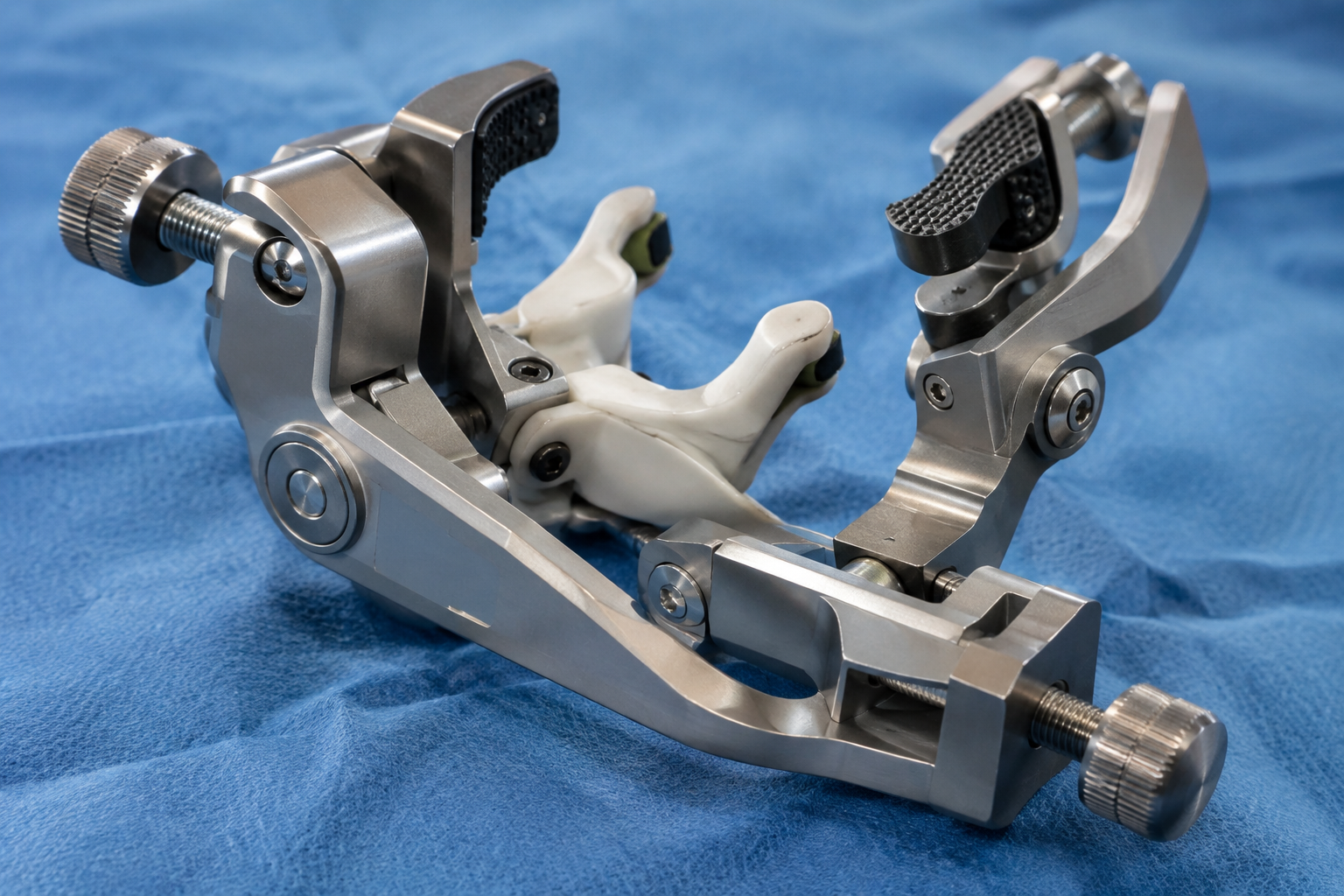
STERIS’s agreement to acquire Xodus Medical for $2.1 billion is more than a large medical-device transaction. It is a fresh signal that specialized healthcare businesses remain valuable pieces in a sector where strategic scale can matter as much as the equipment itself.
For investors watching US medtech, the deal turns the spotlight toward two questions: how far companies will go to deepen their medical-device strategies, and what valuations buyers are willing to accept for specialized assets. The price tag is substantial, even though the available announcement does not disclose the financial or operational details needed to assess the transaction more fully.
STERIS, which agreed to buy Xodus Medical, is adding another business to its medical-device strategy. The move may broaden the company’s presence in the sector and give it an opportunity to build on its existing position through a specialized acquisition rather than relying solely on organic expansion.
That distinction matters. In medtech, a focused company can represent more than a collection of products. It may bring capabilities, customer relationships, technical expertise or a place in a particular segment of the healthcare supply chain. The source material does not identify Xodus Medical’s specific operations or disclose how the businesses will be integrated, so the strategic case must remain measured. Still, the agreement indicates that STERIS sees value in adding a specialized medical-equipment company to its broader platform.
A $2.1 billion marker for medtech dealmaking
The transaction also lands amid several merger headlines circulating on October 12, 2026. That backdrop gives the STERIS-Xodus agreement a wider significance: it is another data point in the continuing conversation about consolidation across US healthcare and medtech.
Consolidation can appeal to established companies seeking to expand their reach, add capabilities and strengthen their position in focused markets. For sellers, the attraction may be the opportunity to join a larger strategic platform. For investors, however, every large deal raises a familiar accounting question: what exactly is being purchased for the price?
Here, the disclosed figure is $2.1 billion. No stock-price data, valuation multiples or other financial measures were provided. That absence does not make the deal unimportant; it makes disciplined interpretation more important. Investors may watch for additional information that clarifies the transaction’s financial rationale and the potential benefits STERIS expects from adding Xodus Medical.
Strategic logic meets valuation scrutiny
The deal’s strategic logic may be straightforward: STERIS is extending its medical-device ambitions through an acquisition with a defined $2.1 billion price. Whether that price ultimately looks compelling will depend on details not included in the announcement, including the assets involved and the performance expectations attached to them.
That is the broader lesson from this transaction. Medtech consolidation can create platforms with greater breadth, but scale alone does not settle the valuation question. STERIS’s agreement to acquire Xodus Medical suggests continued confidence in specialized healthcare assets, while the size of the transaction ensures that investors will keep asking how much strategic expansion is worth.
Read the reported transaction details in Seeking Alpha’s coverage of STERIS’s planned Xodus Medical acquisition.
Bull/Bear Verdict
Bull Case: The $2.1 billion agreement could deepen STERIS’s medical-device strategy and may position the company to capture additional value from specialized medtech capabilities.
Bear Case: The $2.1 billion price tag could invite valuation concerns, particularly because the available announcement does not disclose the financial or operational details needed to judge the deal’s full rationale.