
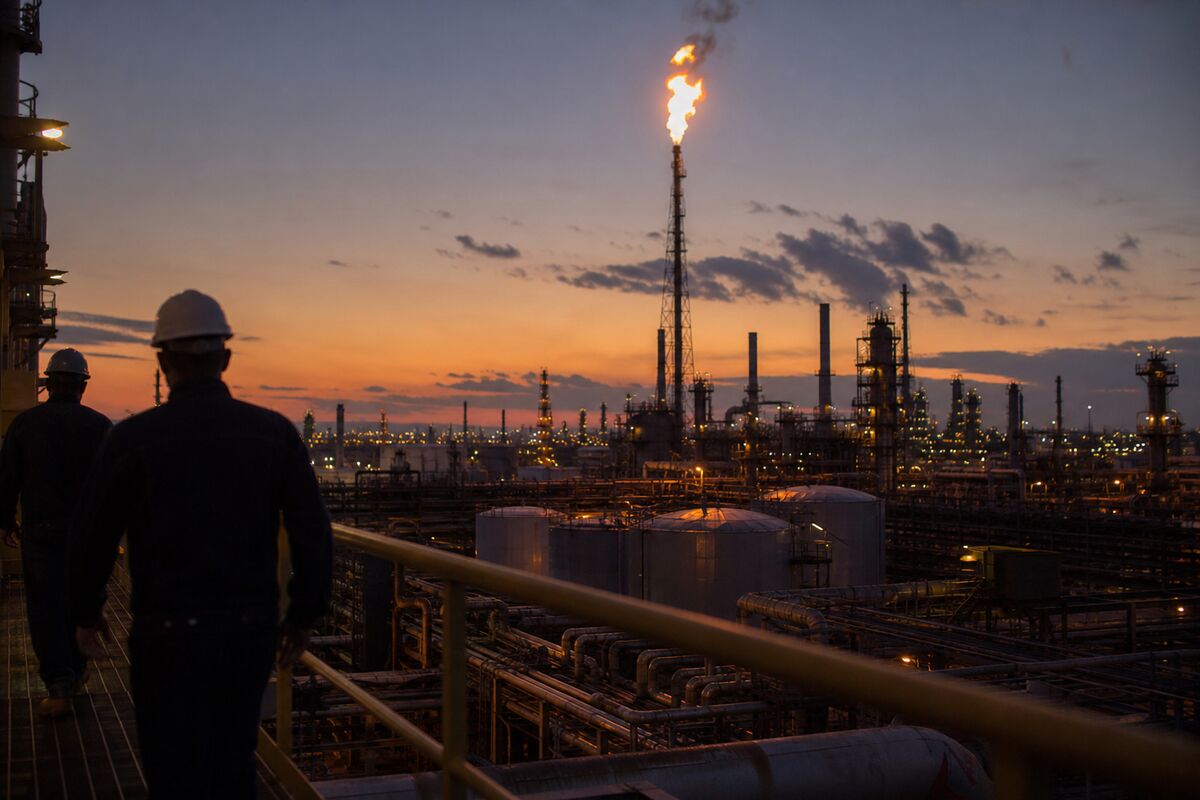
When geopolitical tensions ease, oil markets often tell the story first. On August 4, 2026, that story was one of relief. Oil prices declined as progress in US-Iran peace negotiations signaled a potential de-escalation in Middle Eastern conflict—a development that sent shockwaves through energy trading floors and rippled across sectors far beyond the pump.
The market's reaction underscores a fundamental truth: energy prices are as much about fear as they are about supply and demand. When the risk of regional conflict diminishes, so does the geopolitical risk premium baked into every barrel. For traders, investors, and the broader economy, that shift carries real consequences.
The Supply Question Looms
Even as diplomatic progress eased immediate tensions, the underlying supply picture remained complex. Saudi Aramco flagged a 2.6 billion barrel supply-loss figure, a reminder that even in moments of optimism, the global oil market remains vulnerable to disruption. That number may seem abstract until you consider what it means: significant production capacity at risk, the kind of figure that kept energy traders on edge even as headlines celebrated diplomatic breakthroughs.
The negotiations themselves, which began on August 4 and are set to continue through August 6, represent a potential turning point. Qatar's confirmation of diplomatic progress added credibility to the talks, suggesting that behind-the-scenes efforts might yield tangible results. For energy markets, the implications are substantial: a sustained reduction in geopolitical risk could mean a structural shift in oil pricing.
Who Wins When Oil Falls?
Lower oil prices are not uniformly good or bad—they redistribute wealth and opportunity across the economy. Transportation companies, already operating on thin margins, could see meaningful relief at the pump. Manufacturing sectors that depend on energy-intensive production may find their input costs declining, potentially improving margins. Consumers filling up their tanks would notice the difference in their wallets, freeing up cash for discretionary spending.
But energy producers face the opposite equation. For them, falling prices compress revenues unless volumes rise to compensate. Traders in energy markets must weigh the durability of current price levels against the possibility of renewed tensions or supply disruptions that could reverse gains just as quickly.
What Traders Should Watch
The evolution of US-Iran talks remains the primary driver. Any announcement of concrete agreements could reinforce the downward pressure on oil prices. Conversely, a breakdown in negotiations or escalation in regional tensions could trigger a sharp reversal. Traders should also monitor production data and OPEC+ decisions—supply management decisions made in response to price movements could amplify or dampen the current trend.
The market's reaction to geopolitical news is rarely linear, and energy markets are no exception. What looks like a clear victory for peace may mask underlying supply vulnerabilities, just as falling prices may obscure the fragility of diplomatic progress. The next few days of talks will shape how energy markets price risk for months to come.
Bull/Bear Verdict
Bull Case: Progress in US-Iran peace talks signals reduced geopolitical risk premium in oil prices, which could benefit transportation, manufacturing, and consumer sectors through lower energy costs. Continued diplomatic momentum through August 6 may sustain downward pressure on crude.
Bear Case: Aramco's reported 2.6 billion barrel supply-loss figure indicates underlying production vulnerabilities that could reverse price gains if talks stall. Energy traders face significant uncertainty—any breakdown in negotiations could trigger sharp price reversals that penalize those caught on the wrong side of renewed geopolitical risk.