
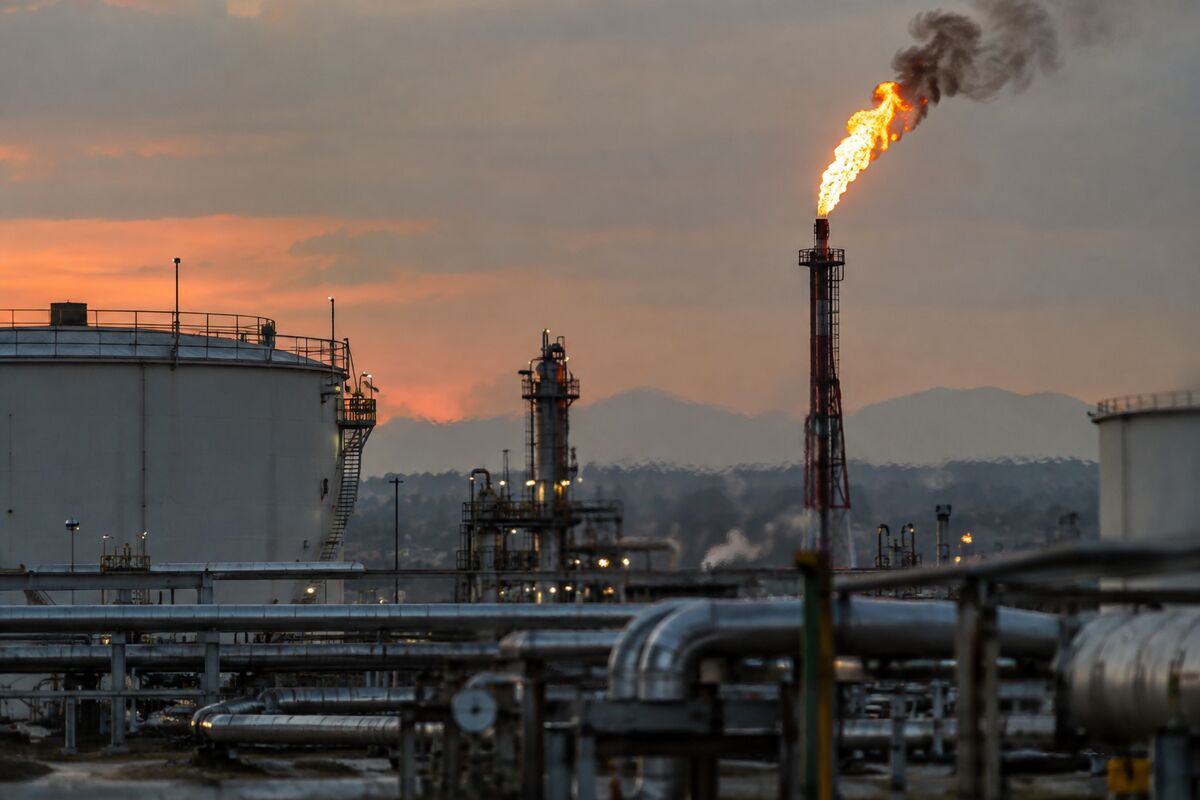
Oil is once again acting as Wall Street’s transmission belt for geopolitical risk. After President Trump rejected an Iran peace proposal, crude prices rose and US stock-index futures were set to open lower, according to Reuters, reviving the market’s familiar fear: an energy shock that tightens financial conditions before investors can assess the broader economic damage.
The immediate story is not simply that oil moved higher. It is that diplomatic expectations shifted abruptly, forcing traders to reprice the probability of a prolonged US-Iran standoff. That repricing can reach US and Canadian equities through several channels: higher energy costs, pressure on inflation expectations, weaker consumer purchasing power and a broader reduction in appetite for risk.
Diplomacy remains the market’s pressure valve
The bearish impulse is not necessarily permanent. US-Iran diplomatic efforts could resume as early as Monday or Tuesday, focused on an amended version of Iran’s seven-day proposal. That possibility gives markets a potential catalyst for relief, but it also leaves traders facing an unusually binary setup. A credible restart in talks could ease the oil premium; another breakdown could reinforce it.
As market coverage of the potential talks indicates, the amended proposal is now central to expectations. Until negotiations produce a clearer path, headlines may continue to drive short-term moves in futures more than traditional valuation signals do.
Hormuz uncertainty is the critical variable
The Strait of Hormuz remains the market’s focal point because uncertainty around the waterway raises questions about the reliability of energy flows. Qatar-linked LNG traffic through Hormuz has reportedly picked up despite the conflict, a sign that some commercial movement continues. But that development does not eliminate disruption risk.
Qatar’s decision to delay gas delivery to European client Edison until December underscores the problem. Even where cargo traffic is moving, delivery schedules can be altered. For US and Canadian markets, that matters because energy disruptions can feed into expectations for global growth, inflation and corporate costs well beyond the immediate region.
Energy stocks may have support, but the index signal is tougher
Higher oil prices may provide relative support for energy producers and other companies tied to the North American energy complex. Yet a stronger energy tape does not automatically translate into a stronger equity market. If the oil move is interpreted as a supply-risk premium rather than a demand signal, the benefit to energy shares could be offset by pressure on the wider market.
That is the distinction traders will be watching at the open. Energy stocks may attract defensive interest, while sectors sensitive to household spending, transportation costs and interest-rate expectations could face greater scrutiny. Wall Street futures opening lower would indicate that investors are treating the diplomatic setback as a macroeconomic threat, not merely an isolated geopolitical headline.
Global spillover is already visible
The South African rand’s decline offers a useful example of how the standoff is spreading through global markets. Higher oil prices can pressure oil-importing economies by worsening trade balances and increasing inflation concerns. The same mechanism can influence sentiment toward US and Canadian assets when investors reduce exposure to markets viewed as vulnerable to a broader risk-off move.
The contrarian point is that diplomacy still has the power to reverse part of this pressure quickly. But until the proposed talks resume and produce concrete progress, traders may continue to demand a premium for uncertainty. The market’s message is straightforward: energy flows, not rhetoric, will determine whether this becomes a temporary futures wobble or a more persistent risk event.
Bull/Bear Verdict
Bull Case: If US-Iran diplomatic efforts resume as early as Monday or Tuesday around an amended seven-day proposal, oil-market pressure may ease, potentially improving Wall Street futures sentiment while supporting a more orderly energy-market outlook.
Bear Case: If the stalemate persists, the oil-price rise, uncertainty around Hormuz and Qatar’s delayed gas delivery to Edison until December could continue weighing on US index futures and broader risk sentiment.