
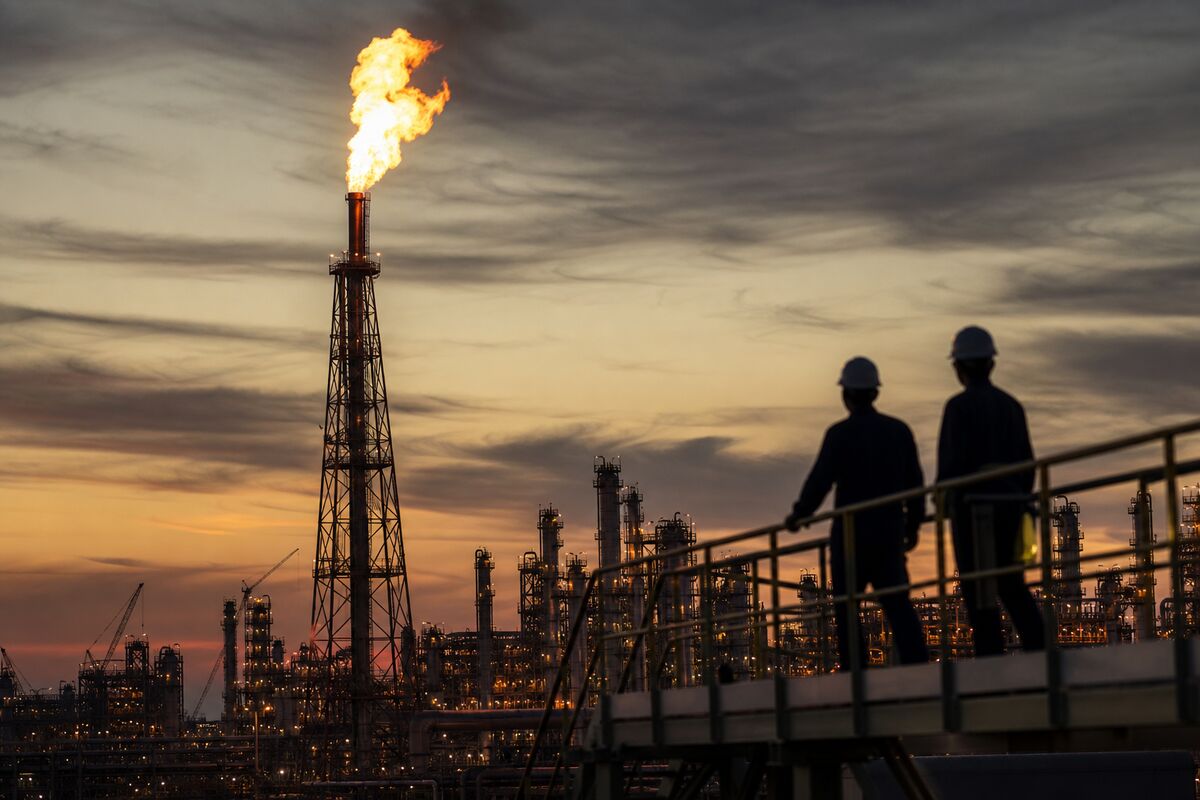
U.S. crude oil prices have taken a notable hit, falling about 6% on the heels of news regarding diplomatic progress between the U.S. and Iran. This decline comes as Iran agrees to restore traffic through the strategically significant Strait of Hormuz, a critical artery for global oil supply, as part of a framework deal with the United States. Investors should note that this development has significant implications for the energy sector and broader market sentiment.
The recent drop in oil prices has seen them dip below $89 per barrel, a level that may evoke concern among energy investors. The situation underscores how quickly geopolitical dynamics can shift market fundamentals. On the one hand, the restoration of traffic through the Strait of Hormuz could stabilize oil prices and alleviate some inflationary pressures affecting various sectors. On the other hand, the market's reaction suggests that investors remain wary of the volatility that can accompany geopolitical events.
Analysts indicate that while this agreement may signal a reduction in immediate tensions, the long-term outlook remains uncertain. The energy market is particularly sensitive to geopolitical risks, and any misstep in negotiations could lead to renewed volatility. Furthermore, this decline in oil prices may not be welcomed by all sectors, especially those that have been historically responsive to oil price fluctuations.
Inflation-sensitive sectors may particularly feel the impact of falling oil prices. As energy costs adjust, companies operating within these sectors need to navigate the balance between cost management and pricing strategies. This balance is crucial, as rapid fluctuations in oil prices can affect everything from transportation costs to consumer behavior.
In conclusion, while the recent diplomatic developments between the U.S. and Iran have provided a temporary reprieve for oil prices, the broader implications for the energy sector and inflation-sensitive industries remain to be seen. Investors should remain vigilant, as political developments can quickly alter the landscape.
For more details on this development, you can read the full article on CNBC.