
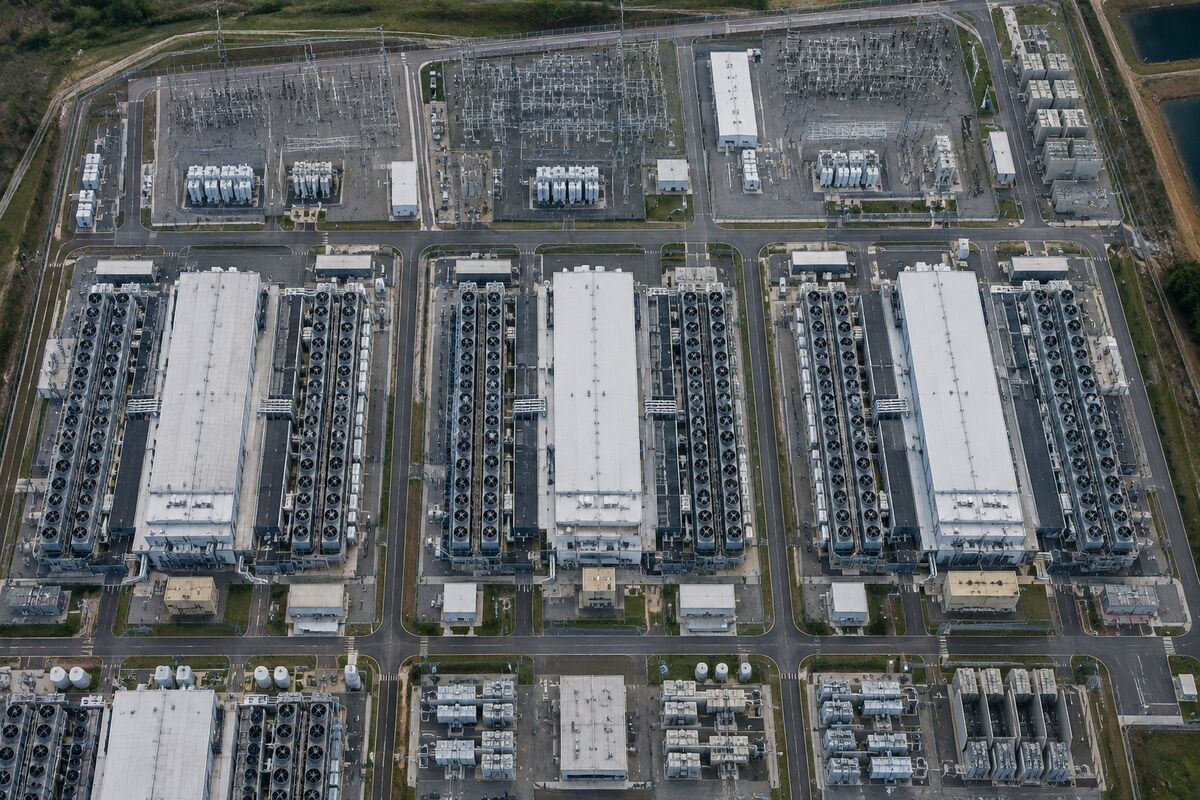
The AI infrastructure trade just received a warning shot. A report that Microsoft is reportedly winding down an arrangement with Oracle for AI cloud capacity sent a clear message through the market: even the largest technology companies may be reassessing the pace and structure of their artificial-intelligence spending.
The scope and timing remain unconfirmed, so this is not yet a definitive change in Microsoft’s capital-spending strategy. But the immediate reaction was telling. US stocks gave back gains after the report, while Oracle shares were reported trading at $111.35 after reaching a session high. That is how sensitive the market has become to any signal touching AI infrastructure demand.
Why the Oracle arrangement matters
Microsoft’s reported reassessment involves cloud capacity tied to Oracle, making the development relevant beyond a single commercial relationship. The key issue is not simply whether one arrangement is wound down. It is whether the report suggests that hyperscalers are reviewing how much AI capacity they need, where they need it and when they need it.
That distinction matters for the broader trade. AI infrastructure stocks have benefited from expectations of sustained demand for computing capacity. If a major customer begins adjusting its commitments, investors may interpret that as evidence that deployment schedules, capacity requirements or spending priorities are being recalibrated.
That interpretation remains market analysis, not confirmed fact. The sourced report does not establish the size of the arrangement, the amount of capacity involved or the timing of any wind-down. It also does not establish that Microsoft is abandoning its broader AI infrastructure plans. Those unanswered questions should remain front and center.
A sentiment problem before it is a fundamental verdict
Markets rarely wait for every detail before repricing a theme. The report’s impact on US stocks shows that sentiment can move first, particularly when valuations and expectations are tied to a powerful multi-year narrative. The AI trade has been built around the assumption that hyperscaler demand will continue translating into heavy infrastructure requirements. A reported pullback, even one with unconfirmed details, challenges that assumption at the margin.
For Microsoft, or $MSFT, the market read-through is therefore nuanced. A wind-down could reflect a narrow adjustment to one cloud-capacity arrangement rather than a broad reduction in AI investment. It could also suggest that capacity is being shifted among providers or aligned more closely with actual demand. Without confirmed details, investors cannot reasonably distinguish among those possibilities.
Oracle is the more immediate market focal point because the reported arrangement directly involves its AI cloud capacity. Its shares were reported at $111.35 after a session high, but the assignment provides no numerical figure for that high. The absence of confirmed scope is important: a trading reaction does not, by itself, quantify the commercial impact.
The bottom line for AI infrastructure
The report puts the sector on notice. Hyperscalers may continue spending heavily on AI, but the path may become less linear, with commitments reviewed more closely and capacity decisions subject to timing and utilization. That could create volatility across cloud providers and AI infrastructure stocks whenever new reports question the durability of demand.
For now, the confirmed facts are limited: Microsoft is reportedly winding down an Oracle AI cloud-capacity arrangement, US stocks gave back gains after the report, and Oracle was reported trading at $111.35 after reaching a session high. Everything beyond that is interpretation until Microsoft, Oracle or additional reporting clarifies the deal’s scope and timing. The original report provides the basis for the market reaction, but not a final verdict on AI spending.
Bull/Bear Verdict
Bull Case: The reported wind-down could be a targeted adjustment to one Oracle capacity arrangement, while the unconfirmed scope and timing leave room for Microsoft’s broader AI infrastructure commitments to remain intact.
Bear Case: The report, combined with US stocks giving back gains and Oracle trading at $111.35 after a session high, could indicate that hyperscaler AI capacity plans are being reassessed, pressuring sentiment across the broader infrastructure trade.