
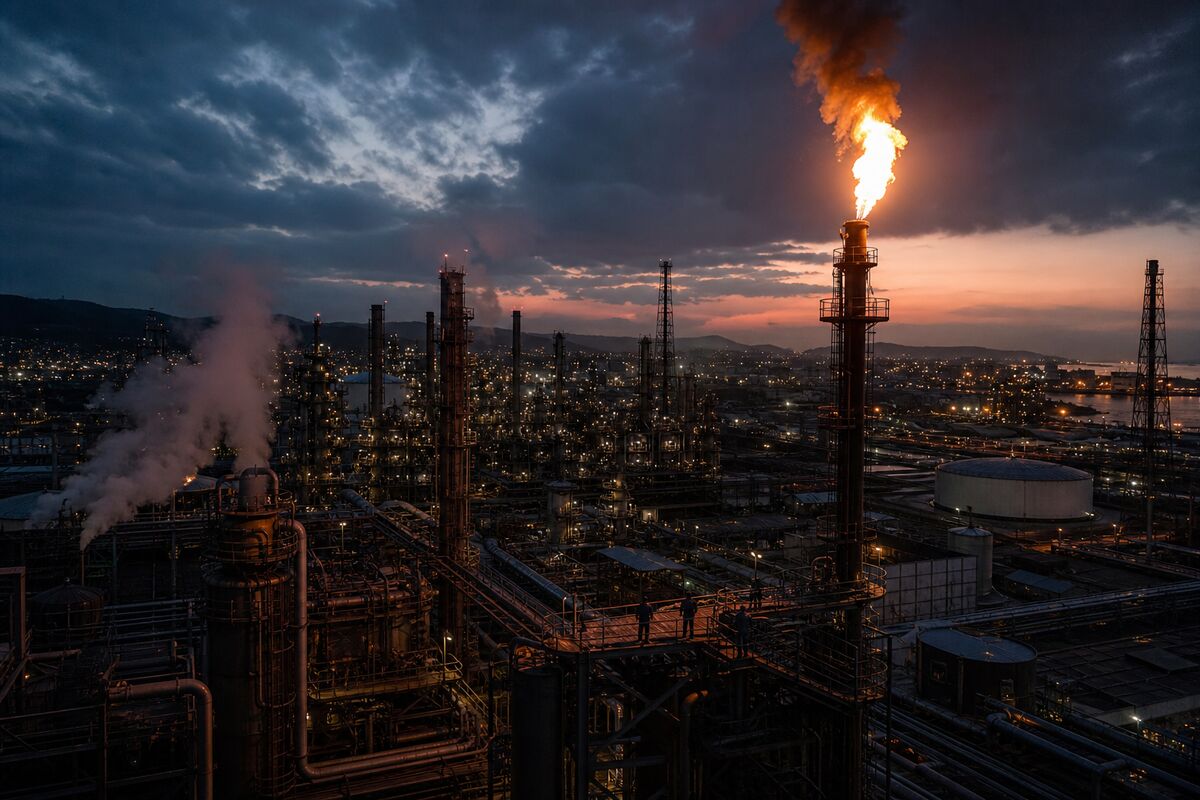
Geopolitical risk is back at the center of the trade. A new wave of US military strikes on Iran — reported by Reuters on July 15, 2026 — landed like a shockwave across global markets. This is the kind of macro event that cuts through the noise. When military action escalates in one of the world's most strategically sensitive regions, traders don't wait for the next earnings call. They move.
The immediate read from market watchers was clear: oil prices held higher, and US-Iran tensions moved to cap equity gains across the board. According to Forexlive's European market wrap from the same day, the combination of geopolitical pressure and rising yields created a headwind that markets couldn't easily shake. The setup is complex — and active traders need to understand what's in play.
The Strike: What We Know
Reuters confirmed a new wave of US military strikes on Iran on July 15, 2026. The details of the scale and scope of the strikes were still developing, but the market reaction was swift and telling. When military escalation hits a region that sits astride critical oil supply routes and geopolitical fault lines, the energy market responds first — and it did.
This isn't a background story. This is a front-burner catalyst.
Energy Markets: Oil Holds Higher
Oil prices held higher in the wake of the strikes, according to Forexlive's European market wrap. That's the direct read from the data available. Any escalation involving Iran introduces supply-risk premium into crude pricing — the market is pricing in uncertainty around potential disruptions to oil flows through the Strait of Hormuz, one of the world's most critical chokepoints for energy transport.
The energy sector broadly could see continued attention from traders as this situation evolves. Supply-side risk narratives tend to be sticky in oil markets. Watch the tape on energy-linked names and broader commodity sentiment as the situation develops.
Equity Markets: Gains Capped, Risk Appetite Pressured
The equity market picture is more nuanced. Forexlive's wrap noted that US-Iran tensions were capping equity gains on July 15. That language matters — it suggests markets were not in freefall, but upside momentum was being suppressed by the geopolitical overhang. Risk appetite, when confronted with open-ended military conflict scenarios, tends to pull back from the edges.
Sectors that could face divergent pressure in this environment include energy — which may benefit from elevated oil prices — and broader risk-on equities, which could face headwinds if the conflict narrative deepens. Defense-adjacent sectors historically attract attention during periods of military escalation, though no specific company data is available from the sourced reporting to point to individual names at this time.
Yields pushing higher again — also noted in the Forexlive wrap following a brief US CPI breather — add another layer of complexity. Rising yields alongside geopolitical risk is a combination that tends to weigh on growth-sensitive segments of the equity market.
The Trader's Read
The macro environment on July 15, 2026 is defined by three concurrent forces: active US military engagement with Iran, oil prices holding elevated, and yields resuming their climb. None of these individually is a market-ender. Together, they create a risk landscape that demands attention and discipline. The geopolitical situation remains fluid. Markets may continue to process new information rapidly.
Bull/Bear Verdict
Bull Case: Oil prices holding higher could support energy sector valuations, and equity markets — while capped — have not broken down, suggesting underlying resilience may persist if geopolitical tensions stabilize.
Bear Case: The combination of US-Iran military escalation, elevated oil prices, and rising yields creating simultaneous headwinds could further suppress risk appetite and weigh on broader equity gains if the conflict narrative deepens or expands.