
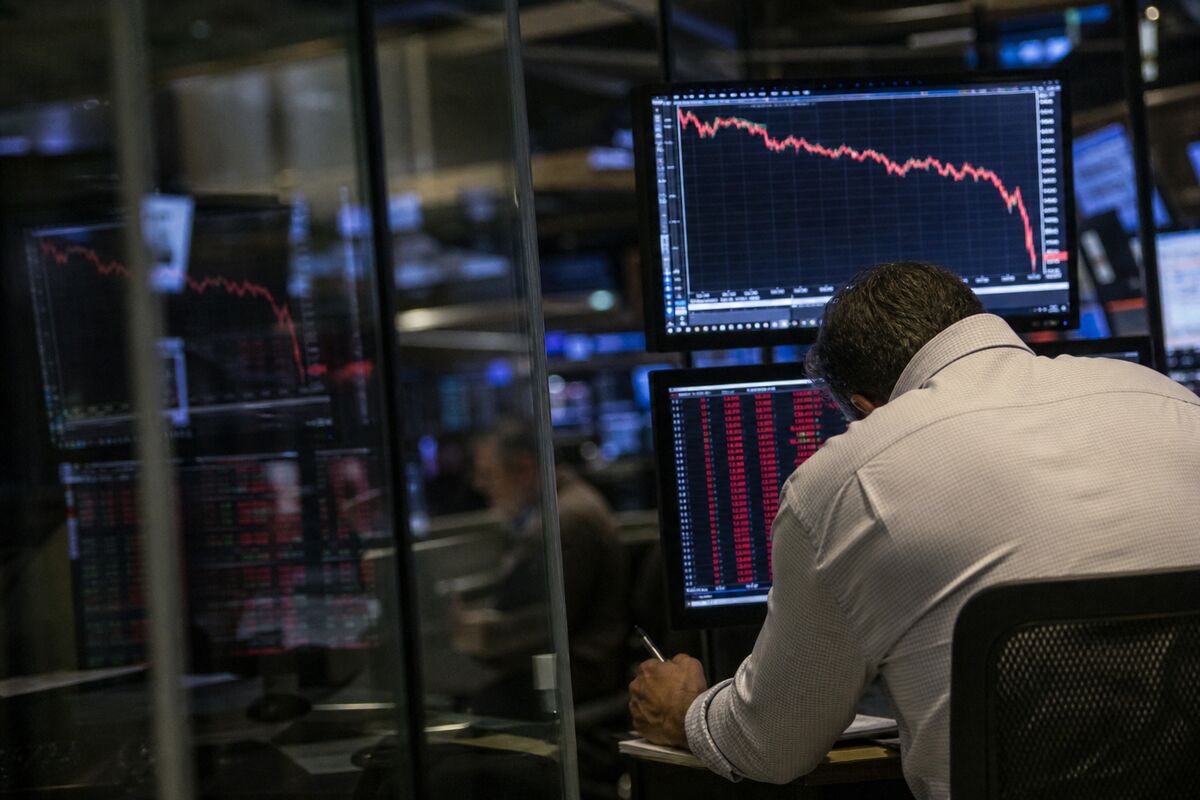
As the market navigates through turbulent waters, Jim Cramer’s recent commentary on CNBC rings alarms for traders. On September 11, he highlighted unsettling parallels to the fall of 2018, a time when rising interest rates and geopolitical tensions led to a significant 20% selloff in the S&P 500 ($SPY, $SPX). With the current economic landscape showing similar signs, the question arises: Are we on the brink of another major market correction?
The data speaks volumes. Recent economic indicators, particularly the US Consumer Price Index (CPI) released on the same day, have heightened expectations for a potential Federal Reserve rate hike. The increased odds of this rate hike could mirror the climate of uncertainty that preceded the tumultuous market conditions of 2018. Rising oil prices further complicate the situation, introducing additional inflationary pressures that could weigh heavily on market sentiment.
Analyzing Current Economic Indicators
The CPI data that emerged on September 11 suggests inflationary trends that traders must heed. Higher inflation often leads to tighter monetary policy, which, as Cramer pointed out, has historically been a harbinger of market corrections. The Fed's response to inflation could trigger a tightening cycle similar to that of 2018, where the S&P 500 experienced notable volatility.
Moreover, Mike Khouw's observations on CNBC about bonds 'going on tilt' illustrate the fragility of the current market environment. With interest rates rising, the correlation between asset prices and yields becomes more pronounced, echoing Warren Buffett’s gravity analogy regarding interest rates. This relationship could imply that as rates rise, asset valuations may face downward pressure, further unsettling traders.
Positioning for Rising Rates and Volatility
In light of these developments, traders must consider strategic positioning. The S&P 500's sharp rebound following the CPI report may not indicate a sustained recovery, given the underlying economic pressures. With volatility on the rise, risk management becomes paramount. Strategies that involve hedging against potential downturns could be prudent.
Investors may also want to closely monitor sector performances, as not all sectors respond uniformly to rate hikes. Historically, defensive sectors such as utilities and consumer staples tend to outperform during periods of heightened uncertainty. As we head into this potentially turbulent phase, understanding sector dynamics could help traders navigate the impending volatility.
The echoes of 2018 are indeed present, and while the landscape may differ, the fundamental economic indicators remain critical in guiding trader sentiment. As we continue to dissect these developments, the lessons from history could serve as valuable insights for the future.
For further insights on these topics, you can read more on CNBC.
Bull/Bear Verdict
Bull Case: If inflation stabilizes and the Fed adopts a more dovish stance, the S&P 500 may recover, presenting buying opportunities in undervalued sectors.
Bear Case: Continued inflationary pressures and aggressive rate hikes could lead to a significant market correction, reminiscent of 2018's downturn.