
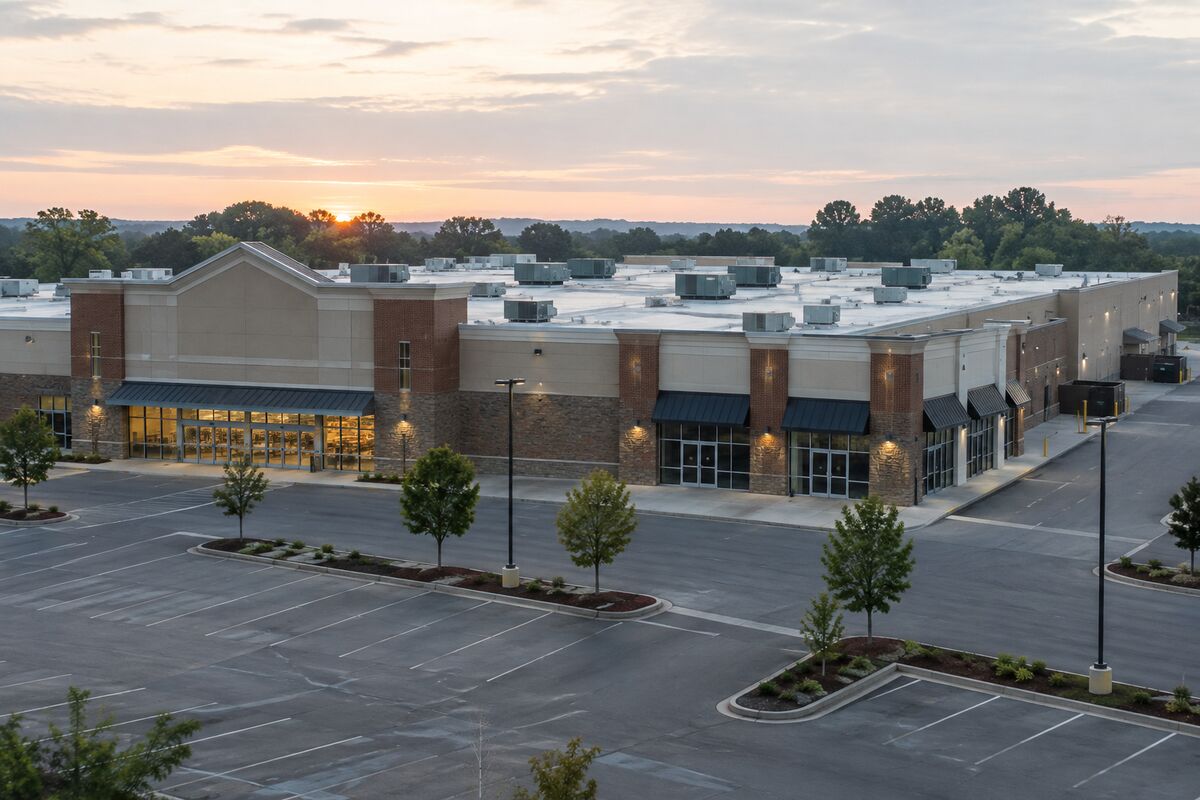
Grocery-anchored retail real estate is becoming a larger chessboard, and Brixmor Property Group and Everview have just moved a sizable piece. The companies agreed to acquire Slate Grocery REIT in a $2.34 billion transaction, putting consolidation, valuations and interest-rate sensitivity squarely in view for real-estate investors.
For holders of grocery-anchored retail properties, the deal is more than a corporate combination. It is a fresh signal that scale may matter in a property sector watched closely by income-focused investors—and that the value of durable retail assets remains tied to the broader rate environment. The transaction was reported on September 28, 2026, amid broader M&A activity across US and Canadian markets.
A $2.34 billion marker for grocery-anchored retail
Brixmor Property and Everview’s agreement to acquire Slate Grocery REIT places a clear dollar figure on one major real-estate transaction: $2.34 billion. Without additional details on financing, per-share consideration or closing conditions, the headline does not answer every question investors may have. It does, however, underline the scale at which consolidation can occur in grocery-anchored retail real estate.
These properties occupy an interesting corner of the market. Grocery anchors can make retail centers relevant to everyday consumers, while the real-estate structure gives investors exposure to property income rather than to a conventional operating company. That combination helps explain why transactions involving grocery-anchored portfolios can draw attention from both property owners and income-oriented market watchers.
Why rates and cap rates matter
Interest rates are a crucial part of the REIT conversation because they can influence how investors value income-producing assets. When the rate backdrop shifts, the relative appeal of real-estate income may change, and valuation frameworks can move with it. The sector’s sensitivity to interest-rate trends gives this acquisition a wider significance than its individual participants.
Cap rates are another piece of the valuation puzzle. Potential cap-rate compression can support higher property valuations, although the effect depends on the broader market environment and the assets involved. For investors tracking REITs, the question is not simply whether consolidation continues; it is also whether transaction valuations point to changing expectations for grocery-anchored properties.
Consolidation becomes the story
The Slate Grocery REIT acquisition arrives as part of broader US and Canadian M&A activity reported on September 28. That context matters. One transaction does not establish a market-wide trend by itself, but the deal adds a notable example to the consolidation narrative in grocery-anchored retail real estate.
For income-focused investors, the development may warrant attention because it brings together three themes at once: property-sector scale, REIT valuation and interest-rate exposure. The $2.34 billion price tag supplies a concrete reference point, while the absence of disclosed deal details leaves the market to focus on the larger strategic question: how grocery-anchored retail assets may be valued as consolidation advances.
Bull/Bear Verdict
Bull Case: The $2.34 billion acquisition could reinforce the case that grocery-anchored retail real estate remains strategically valuable, particularly if consolidation and potential cap-rate compression support REIT valuations.
Bear Case: The transaction remains sensitive to interest-rate trends, and without financing, per-share consideration or closing details, the $2.34 billion headline alone may not establish how investors should value the assets.