
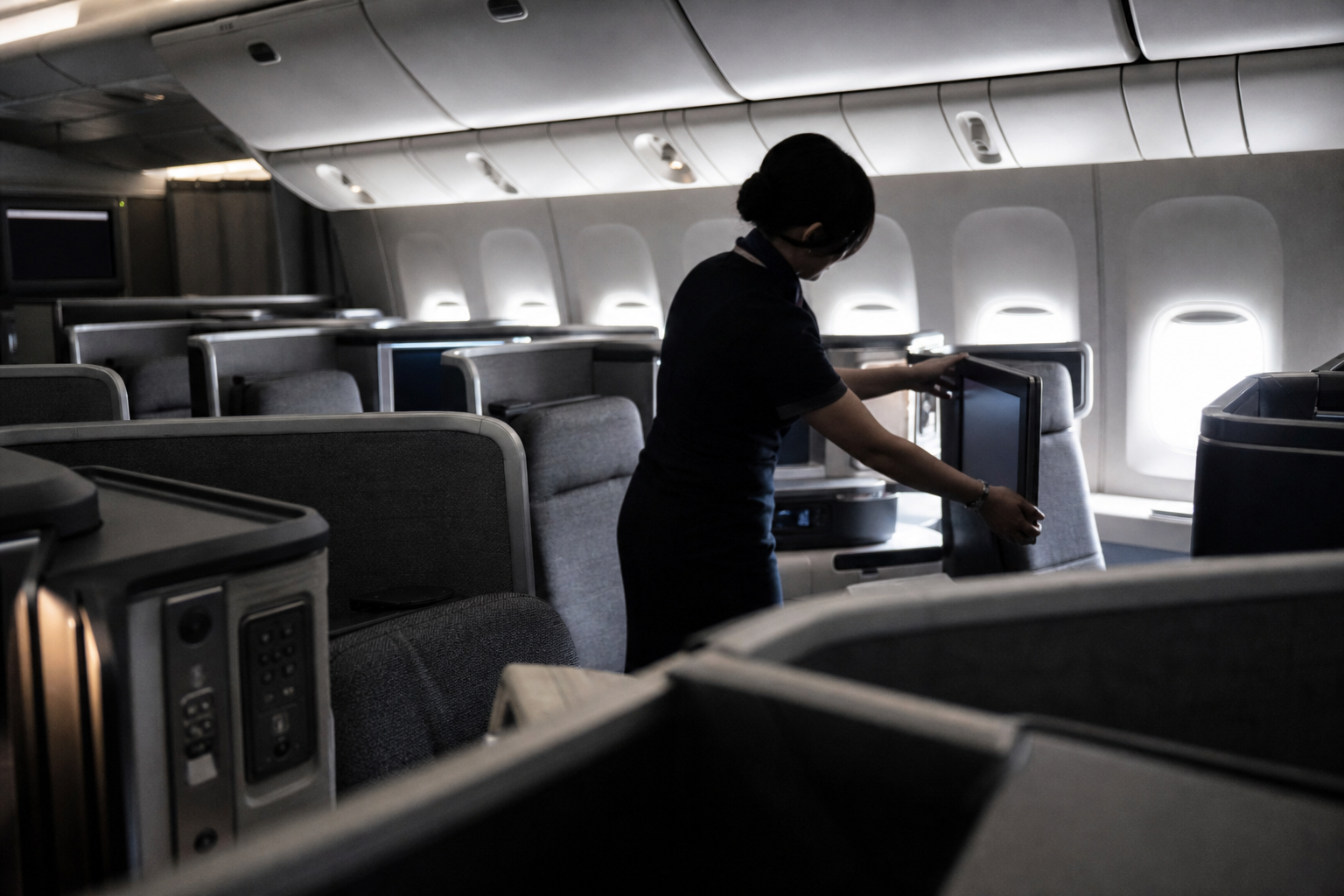
Only a fraction of the seats on American Airlines ($AAL) is fueling the bulk of its revenue. This revelation not only underscores the changing dynamics of air travel but also highlights a critical pivot in the airline's strategy that could have ripple effects across the entire sector. As competition intensifies among U.S. carriers, the push toward enhancing business-class offerings is no longer just an add-on; it's becoming a necessity.
According to the latest insights, 30% of American Airlines' seats now generate a staggering half of its revenue. This statistic is not merely a reflection of the airline's operational efficiency; it illustrates a broader trend within the industry where premium cabin demand is surging. The implications of this shift are profound, as they suggest a potential reconfiguration of pricing strategies and service offerings across the airline sector.
Riding the Premium Wave
The increased demand for premium seating has prompted American Airlines to recalibrate its offerings. This strategic pivot is not just about meeting customer preferences; it’s about capitalizing on a lucrative segment that has proven resilient in the face of economic fluctuations. As travelers increasingly seek comfort and exclusivity, airlines are compelled to respond with enhanced business-class experiences.
Implications for the Sector
American Airlines' revelation also raises questions about how other carriers will adapt. The race to elevate business-class offerings is on, with competitors scrambling to differentiate themselves in a crowded marketplace. The question becomes: how will this affect pricing strategies? As airlines vie for market share in premium segments, we may see a recalibration of pricing structures that could benefit the bottom line.
Moreover, the competitive landscape could lead to a scenario where airlines invest significantly in improving their premium offerings. This could manifest in upgraded seating, superior in-flight services, and a more robust loyalty program aimed at attracting and retaining high-value customers.
A New Normal for Profitability
The shift toward premium cabins could redefine profitability across the airline industry. If a minority of seats can generate such a substantial portion of revenue, it indicates a potential paradigm shift in how airlines approach their business models. The focus may increasingly pivot from volume to value, where the aim is to maximize revenue per available seat mile (RASM) rather than simply filling the aircraft.
As American Airlines continues to explore this strategy, investors should closely monitor how these changes impact not only the airline's financial health but also the broader market dynamics. The implications for profitability could be significant, suggesting that airlines that adapt to this trend may emerge as leaders in a post-pandemic landscape.
In conclusion, American Airlines' strategy to focus on premium cabins is a game changer that could reshape the future of airline revenue. As the sector adjusts to rising consumer expectations and competitive pressures, the outcome will likely hinge on how well airlines can deliver value to their premium customers.
Source