
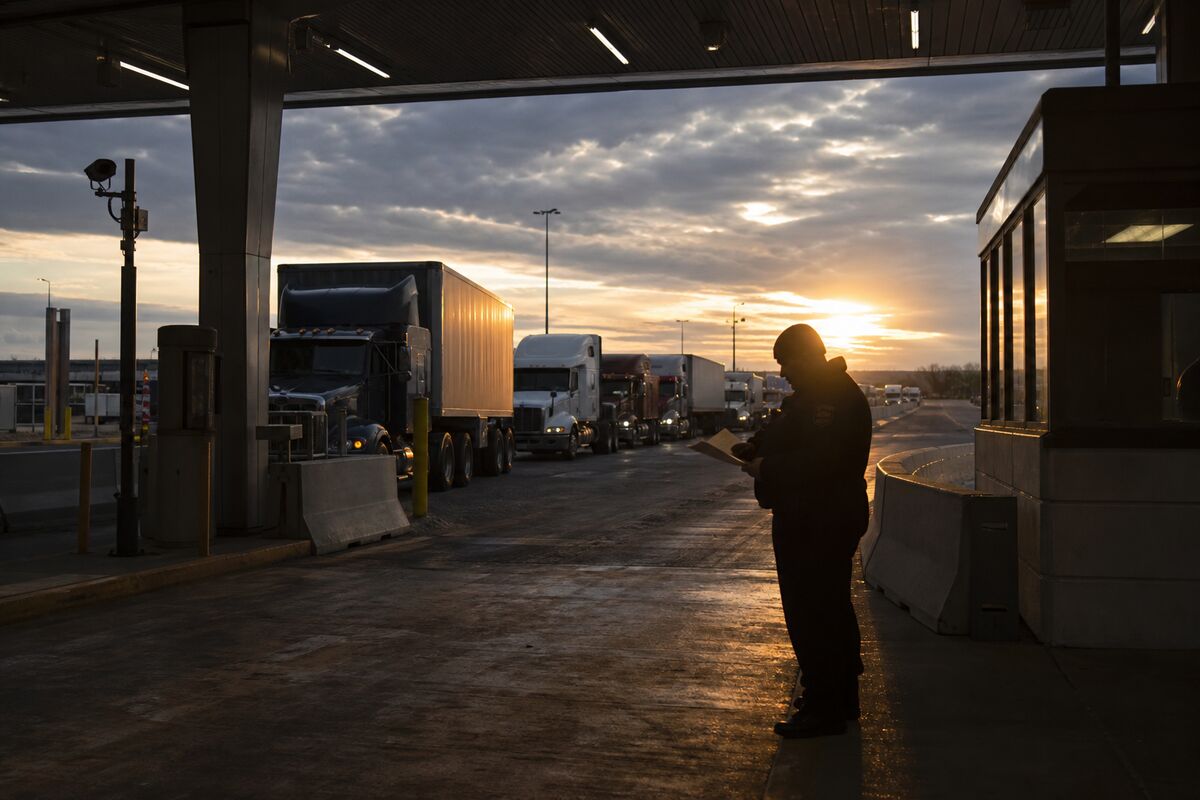
The echoes of negotiations gone awry resonate through the corridors of power as Canadian trade negotiators return home empty-handed from the U.S. The collapse of talks aimed at averting President Trump’s new tariffs heightens uncertainty for Canadian exporters and U.S. firms reliant on Canadian supply chains. With both sides unwilling to compromise, the stakes for cross-border investors have never been higher.
This impasse could have profound implications for the TSX Composite and sectors exposed to trade dynamics. As tariffs loom large on the horizon, investors must brace for potential market volatility and assess how their portfolios might weather the storm.
The Fallout of Failed Negotiations
With Canadian officials stating, "We're not waiting by the phone," the message is clear: the mood is tense, and the risks are escalating. The inability to strike a deal raises the specter of tariffs that could penalize Canadian exporters, especially those in key industries such as energy, agriculture, and manufacturing. This uncertainty could lead to a ripple effect, affecting U.S. firms that depend on Canadian goods, thereby straining supply chains on both sides of the border.
As the TSX Composite grapples with these potential tariff measures, investors should consider the sectors most at risk. Tariffs could lead to increased costs for companies that rely heavily on cross-border trade, potentially squeezing profit margins and affecting stock valuations. Canadian trade-exposed equities may see heightened volatility as market participants react to the shifting landscape.
USDCAD Dynamics at Play
The USDCAD currency pair is also feeling the strain of these developments. Following last week's low of 1.37317, the USDCAD has begun to rebound, trading above both the 100-hour and 200-hour moving averages. This uptick suggests that investors may be positioning themselves for potential fluctuations as the trade landscape evolves. For those with cross-border exposure, the dynamics of the Canadian dollar against its U.S. counterpart could impact investment strategies significantly.
Investors need to remain vigilant as the situation continues to unfold. While the recent rebound in the USDCAD may offer some short-term relief, the underlying concerns regarding trade relations remain. A weakened Canadian dollar could make exports cheaper, but it could also signal instability that investors must navigate carefully.
Looking Ahead
As Canadian and U.S. officials regroup, the path forward remains uncertain. The potential for tariffs could reshape the investment landscape, compelling investors to reassess their strategies in light of new realities. With the TSX Composite and trade-exposed sectors under scrutiny, the coming weeks will be critical for cross-border investors.
It’s a complex puzzle, and while some investors may find opportunities in this chaos, others could face significant challenges. The failure of these trade talks serves as a stark reminder of the interconnectedness of our economies and the risks that come with it.
In this volatile environment, the prudent investor may need to lean into a diverse strategy, balancing risk with opportunity while keeping a close eye on the unfolding developments in trade negotiations.
For more insights into the implications of these developments, check out the full article on CNBC.