
As United Airlines navigates the turbulent skies of the aviation industry, CEO Scott Kirby is at the helm, steering the company towards a future rich in innovation and strategic partnerships. In a revealing interview, Kirby shed light on his vision for the airline, touching on everything from potential megadeals to the integration of artificial intelligence (AI) in operations. For investors, this is not just a glimpse into the future; it's a crucial understanding of how United plans to remain competitive in an evolving market.
However, the path forward is not without its storm clouds. The prolonged certification delays of the Boeing 737 Max 10 could significantly impact United's fleet planning and revenue strategies. As the airline grapples with these challenges, the implications for stock performance and investor sentiment are pivotal considerations.
Kirby's Vision: A Strategic Overhaul
In Kirby's view, the future of United Airlines hinges on embracing technology and forming strategic alliances. He envisions a landscape where AI plays a vital role in streamlining operations and enhancing customer experience. By harnessing AI's capabilities, United aims to optimize scheduling, improve fuel efficiency, and even personalize travel for its customers. This technological pivot could redefine the airline's operational model, making it more agile and responsive to market demands.
Moreover, Kirby is not shy about exploring potential megadeals that could reshape United's competitive landscape. In the fast-paced airline industry, where consolidation often leads to greater market power, Kirby's openness to partnerships and acquisitions suggests a proactive stance. Such moves could not only bolster United's market position but also appeal to investors looking for growth opportunities within the airline sector.
The Boeing 737 Max 10 Dilemma
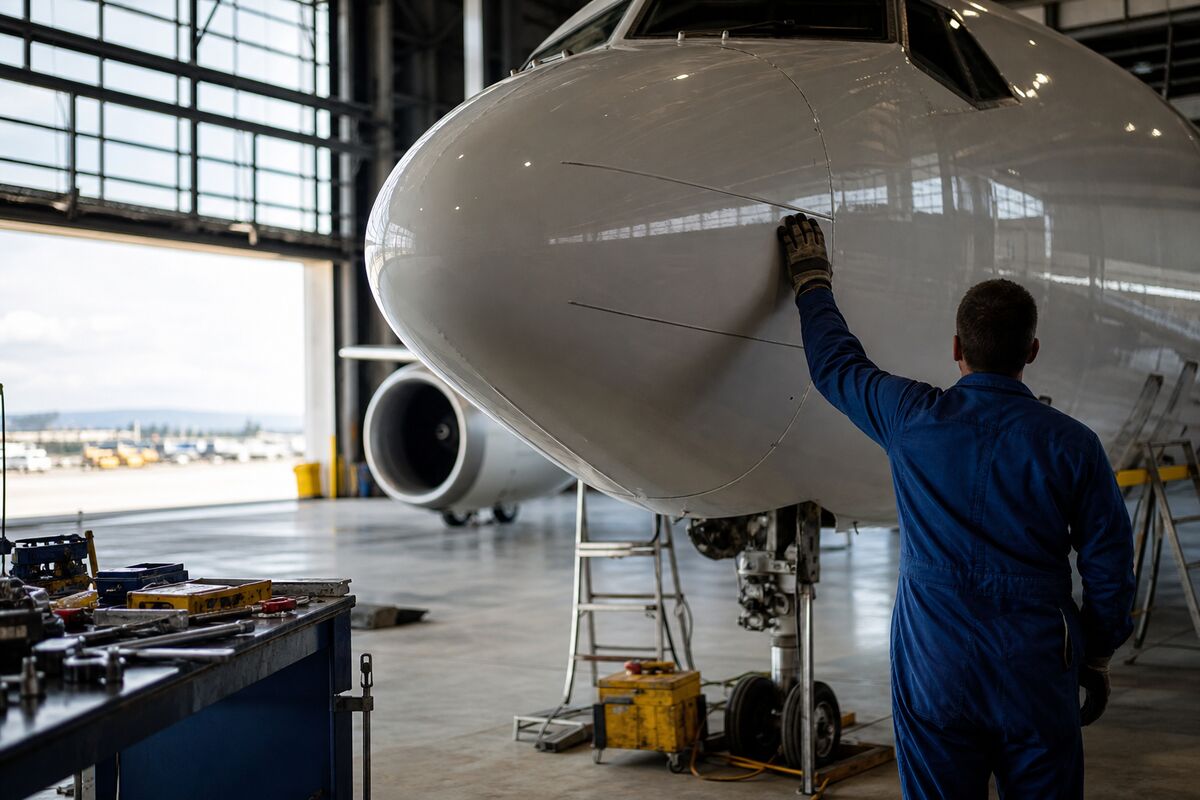
Yet, as Kirby dreams big, he faces immediate challenges with the Boeing 737 Max 10. The airline's struggle with prolonged certification delays has left it in a precarious position regarding its fleet expansion plans. Originally anticipated to bolster United's capacity and modernize its offerings, the delays raise concerns about the airline's ability to meet growing demand, especially as travel rebounds.
United's predicament highlights a pressing issue: how to adapt its revenue strategies in light of these setbacks. With fewer aircraft available for use, the airline may need to rethink its capacity planning, potentially resulting in fare increases or altered routes to optimize profitability. Investors will be keenly observing how United maneuvers through this dilemma, particularly as it seeks to maintain a competitive edge against rivals who may not face similar constraints.
Investor Sentiment and Stock Performance
The interplay between Kirby's ambitious plans and the challenges posed by the Boeing 737 Max 10 will ultimately shape investor sentiment. While there is optimism surrounding United's potential for growth through AI and strategic partnerships, the current delays present a cautionary tale for shareholders. The stock performance of $UAL will likely reflect this tug-of-war between anticipation and reality.
As United positions itself for the future, investors must weigh the promise of innovation against the backdrop of operational hurdles. The balance between Kirby's forward-thinking vision and the tangible challenges at hand will be crucial in determining how $UAL is perceived on the market. With a keen eye on the developments surrounding the Boeing 737 Max 10 and Kirby's strategic initiatives, investors have a compelling narrative to follow.
In the end, Kirby's leadership will be tested in these transformative times. Will United Airlines soar to new heights, or will it encounter turbulence along the way? The answers may lie in the unfolding chapters of this aviation saga.
Read more about Scott Kirby's vision for United Airlines.