
Brent crude has crossed the $110-a-barrel threshold for the first time since May, turning a geopolitical supply concern into a direct market variable for US and Canadian investors. The move matters beyond energy: higher diesel and gasoline futures could feed into transportation costs, consumer prices and the earnings outlook for fuel-sensitive sectors.
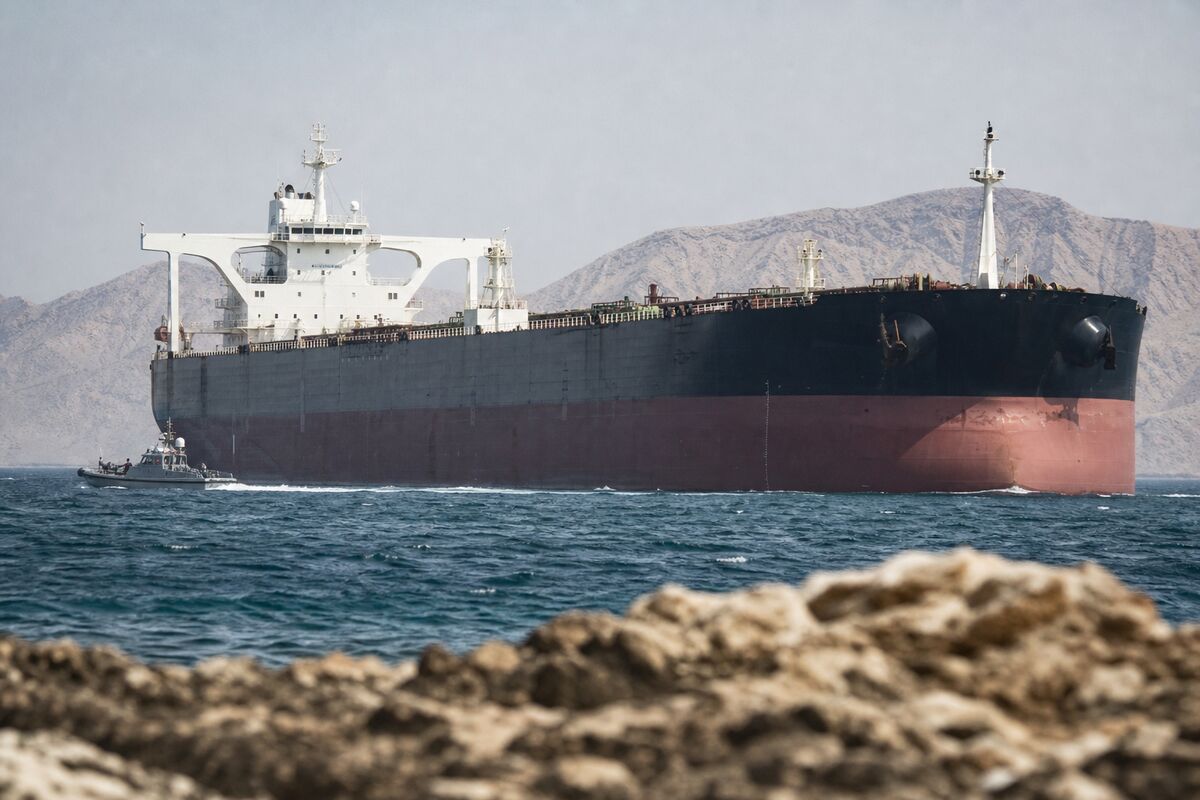
The central question is whether the shock remains a short-lived risk premium or develops into a broader supply disruption. Iran’s Guards said two tankers were hit by mines in the Strait of Hormuz, while the United States solicited an exchange of up to 17 million barrels from the Strategic Petroleum Reserve. Those developments give traders two competing signals: physical supply risk is rising, but Washington is also preparing a response.
According to Bloomberg’s report, Brent reached $110 as traders assessed the possibility of disrupted Middle East supply. Diesel and gasoline futures also increased, indicating that the market is pricing risk into refined products rather than treating the move as limited to crude.
Why the Hormuz risk matters
The Strait of Hormuz is a critical shipping route, so reported damage involving two tankers adds a potentially material layer to the supply outlook. The market does not need a confirmed, prolonged shutdown to reprice crude; uncertainty around tanker movement, insurance and infrastructure can be enough to lift the premium embedded in futures.
For US and Canadian markets, the next data point is whether the rise in crude is transmitted into fuel costs. Diesel affects freight, logistics, agriculture and industrial transportation. Gasoline affects household budgets and travel-related spending. If futures gains persist, the inflation effect could broaden from energy into the cost of moving goods and people.
SPR action offers a counterweight
The US solicitation of an exchange of up to 17 million barrels from the Strategic Petroleum Reserve is significant, but its market impact depends on timing, structure and whether it offsets physical losses. An exchange is not the same as an outright release: the oil is provided in return for future replenishment. That distinction may limit how traders interpret the measure as an immediate supply solution.
Still, the figure establishes a clear policy response. The up-to-17-million-barrel exchange could help signal that US authorities are willing to use the reserve mechanism as supply concerns intensify. Whether that calms prices will depend on the scale and duration of any disruption around Hormuz, as well as the market’s assessment of available alternatives.
Sector implications in the US and Canada
- Energy producers: Higher crude prices could support producer revenue and cash-flow expectations, although the assignment’s source material provides no company-specific performance data. The potential benefit is therefore a sector-level observation, not a conclusion about any individual stock.
- Transportation: Rising diesel and gasoline futures could increase operating costs for trucking, airlines and other fuel-intensive businesses. The effect may become more important if refined-product prices continue to rise.
- Consumer discretionary: Higher fuel bills can reduce household spending capacity, creating potential pressure for retailers, travel businesses and other discretionary categories.
- Inflation-sensitive markets: A sustained oil move could complicate the inflation outlook in both the United States and Canada, particularly if transportation costs pass through to broader prices.
What traders will monitor next
The immediate checklist is concentrated and measurable: whether Brent holds above $110, whether diesel and gasoline futures continue higher, whether additional tanker or infrastructure incidents are reported, and how quickly the proposed SPR exchange progresses. Market participants will also be watching whether crude strength remains isolated in energy or begins to weigh more visibly on transportation and consumer-discretionary groups.
The $110 threshold is now a reference point, but it is not a forecast. The more consequential signal may be duration. A brief spike could reflect geopolitical uncertainty; a sustained move, reinforced by refined-fuel gains, would present a more serious inflation challenge for North American markets.
Bull/Bear Verdict
Bull Case: Brent above $110 and an up-to-17-million-barrel SPR exchange could support the energy sector if supply fears remain elevated, while the reserve action may help limit the disruption’s reach.
Bear Case: If the reported Hormuz tanker incidents translate into sustained supply disruption, rising diesel and gasoline futures could intensify inflation pressure and weigh on transportation and consumer-discretionary stocks.