
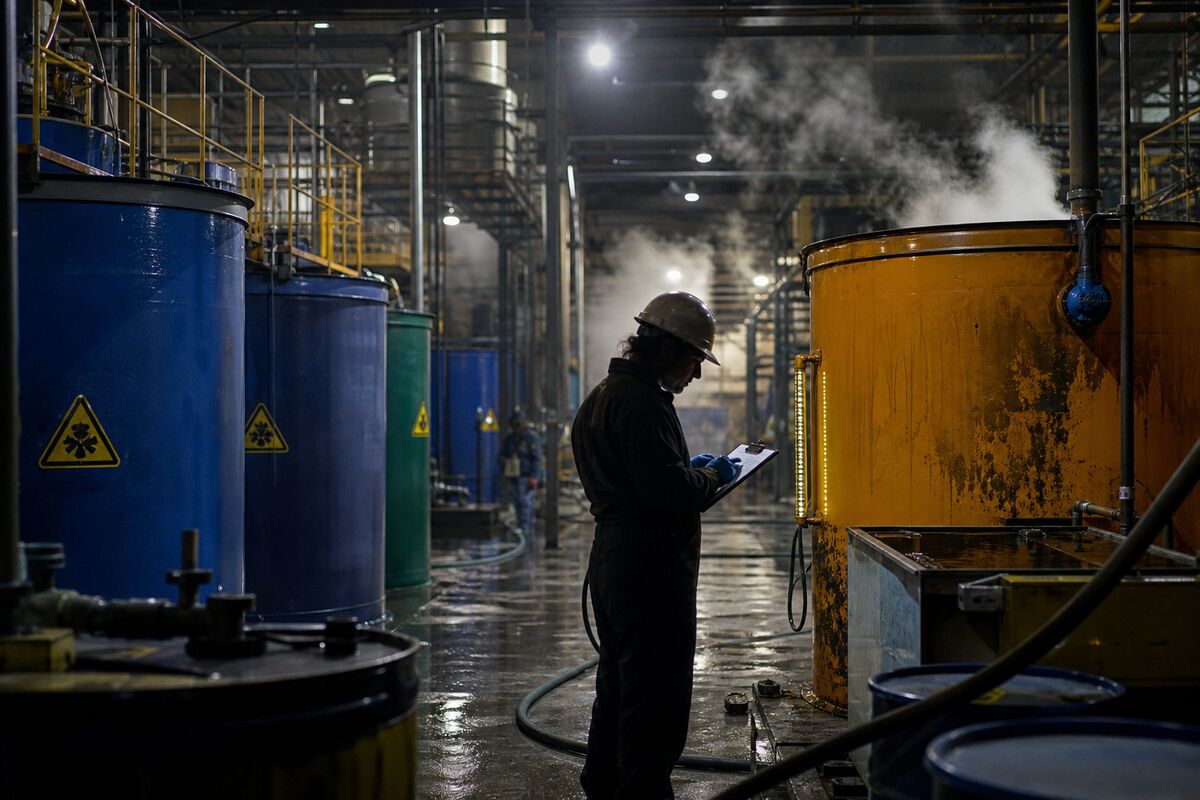
Mosaic’s planned $600 million sale of its Louisiana ammonia plant to CF Industries puts a clear number on a broader shift in North American fertilizer production: ammonia capacity is moving from one major producer to another. The transaction does not add a new facility to the region, but it could change who controls an existing piece of the nitrogen supply chain.
That distinction matters. For agricultural commodity and industrial investors, the deal is less about a single asset transfer than about consolidation. CF Industries would gain the Louisiana plant, while Mosaic would divest it, creating a more concentrated ownership structure in North American ammonia production. Seeking Alpha reported the transaction on November 24, 2026.
A capacity shift, not a capacity headline
The most important analytical point is what the $600 million transaction does—and does not—establish. The deal signals a transfer of production capacity, but the available information does not include production volumes, utilization rates, financial guidance, or expected changes in output. Those missing figures limit how precisely investors can measure the transaction’s effect on regional supply.
Even without those metrics, ownership matters. CF Industries’ consolidation of the Louisiana ammonia plant could give the company a larger role in managing ammonia production capacity across the North American nitrogen and fertilizer supply chain. Mosaic’s divestiture, meanwhile, narrows its direct ownership of that asset base.
Why agricultural markets may be watching
Ammonia is a foundational input for nitrogen fertilizer. That makes ownership of ammonia production relevant to agricultural markets, even though the assignment provides no forecast for fertilizer prices, farm income, or commodity balances. The transaction could draw attention because it links a major fertilizer asset to a company already focused on nitrogen production, while Mosaic exits the facility.
For agricultural commodity investors, the key question is whether the change in ownership eventually affects the availability, distribution, or strategic management of nitrogen products in North America. The deal itself does not answer that question. It does, however, identify a specific $600 million transaction that may become part of the sector’s consolidation story.
Industrial-investor lens
Industrial investors may focus on the strategic implications. CF Industries would be consolidating ammonia capacity through the acquisition, while Mosaic would be converting the Louisiana asset into a $600 million transaction. That creates a straightforward contrast: one company is increasing its ownership footprint in ammonia production, and the other is reducing it.
Without stock-price data or company guidance, the transaction should be assessed primarily as a strategic capacity and portfolio event. The reported deal could reshape the North American nitrogen landscape by changing asset control, but its ultimate impact will depend on factors not provided in the source material, including production performance and broader fertilizer-market conditions.
Bottom line
The Louisiana plant sale gives investors a concrete signal about industry structure: CF Industries is positioned to consolidate ammonia production capacity, while Mosaic is divesting a major nitrogen-related asset for $600 million. That is enough to make the transaction relevant to agricultural commodity and industrial watchers, even if the deal’s effect on supply, pricing, and earnings remains undefined.
Bull/Bear Verdict
Bull Case: The $600 million acquisition could strengthen CF Industries’ position in North American ammonia by consolidating ownership of the Louisiana plant and increasing its role in the nitrogen supply chain.
Bear Case: The transaction’s effect may remain limited because the available data provide no production volumes, output changes, financial guidance, or evidence that regional fertilizer supply will change.