
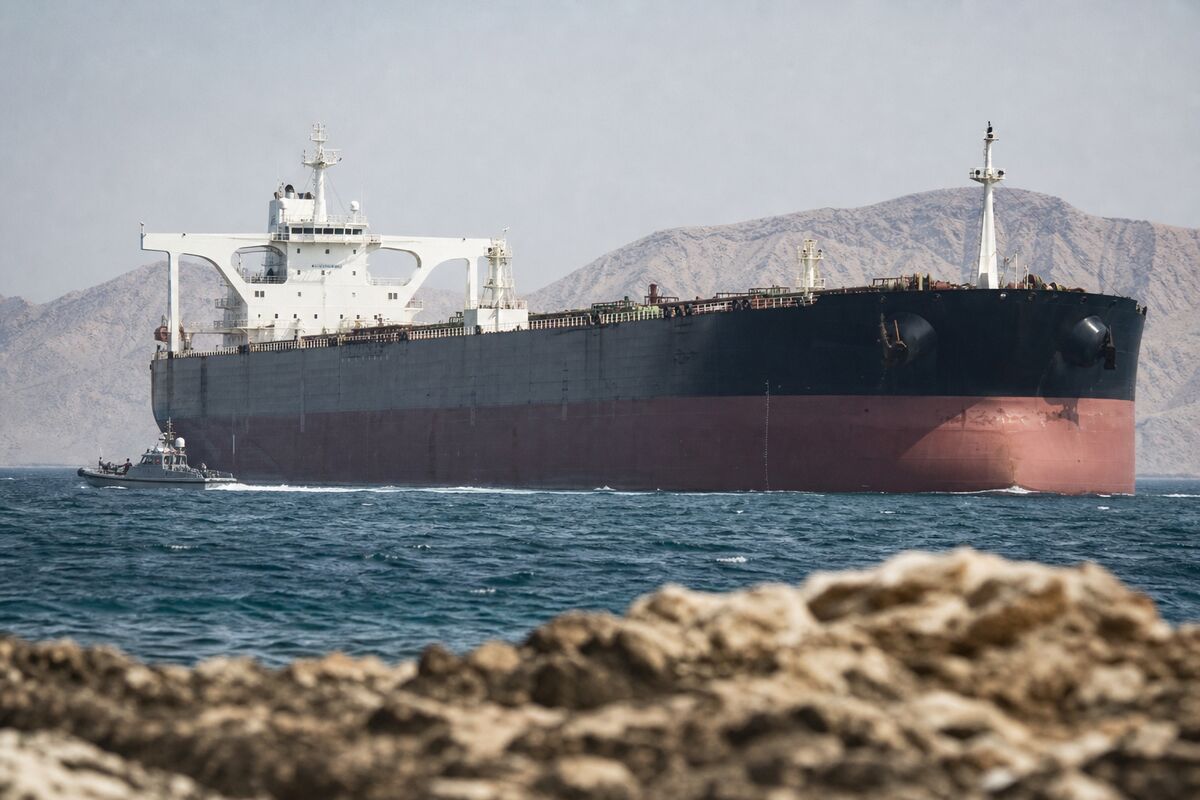
The Strait of Hormuz is once again turning the oil market’s attention from barrels to vulnerabilities. Reports of tanker fires, a limpet-mine attack claim and a crew evacuation have introduced a fresh layer of geopolitical uncertainty—even without confirmation that crude supplies have been disrupted.
For investors watching US and Canadian energy stocks, the message is less about a precise oil-price target than about the premium markets may attach to the possibility of trouble in one of the world’s most sensitive shipping corridors. The risk is being repriced before the supply balance itself is necessarily changed.
According to the reported account, Iran’s IRGC Navy said four tankers caught fire in the Strait of Hormuz. Security sources separately said a tanker in the strait was hit by limpet mines. Those details describe a rapidly escalating security narrative, but they do not by themselves establish the scale or duration of any supply interruption.
Other developments added to the tension. Oman’s navy evacuated 25 crew members from a vessel off Musandam. The United Arab Emirates, meanwhile, said an oil leak from a tanker had been stopped and that pollution was easing. The combination is notable: emergency responses appear to be active, while official statements also point to efforts to contain the environmental consequences.
Why the risk premium matters
Hormuz matters to energy markets not simply because ships pass through it, but because every security incident forces traders to reassess the reliability of that passage. If attacks multiply or shipping companies alter routes, insurance, freight and delivery assumptions could all become more expensive or uncertain. That possibility may add a geopolitical risk premium to crude, even before a confirmed reduction in physical supply.
That distinction is crucial for US and Canadian energy-sector positioning. Producers and energy companies may receive greater market attention when geopolitical headlines lift the value assigned to crude exposure. But the same headlines can also bring volatility, higher operating and transportation concerns, and uncertainty about how long any premium might last. The market may reward the prospect of stronger energy prices in one moment and then retreat if authorities contain the situation in the next.
In other words, Hormuz can act like a financial weather system: its influence can spread well beyond the ships directly involved, but the forecast remains unstable. Without an exact crude price or confirmed supply disruption in the available reports, the most defensible conclusion is that uncertainty has increased—not that a lasting market shortage has been established.
BP brings a separate catalyst
BP’s company update belongs in a different analytical bucket. The energy major beat earnings forecasts with a record quarter, giving the company a concrete operational and financial headline apart from the maritime security developments. That result may offer a counterweight to the broader uncertainty confronting the sector, although it does not erase the risks associated with oil-market volatility.
BP is also targeting an early settlement of its Deepwater Horizon liability. Any progress on that front could reduce a long-running source of legal and financial overhang, depending on the terms and timing of an eventual settlement. The company’s chief executive also said that no breakup is being considered, addressing speculation about a possible structural change without presenting one as an active plan.
The contrast is revealing. Hormuz supplies a macro catalyst built on security claims and contingency risk. BP supplies a company-specific catalyst built on a record quarter, liability developments and management’s stated position on corporate structure. For US and Canadian market watchers, separating those threads may be more useful than treating every energy headline as the same trade.
The next phase will depend on whether the reported incidents remain contained or develop into a sustained challenge to tanker traffic. Until then, the market may continue to price the possibility of disruption while waiting for clearer evidence on actual supply flows. BP’s results and liability strategy could command attention on their own, but the wider energy sector remains exposed to the geopolitical premium generated by events around Hormuz.
Bull/Bear Verdict
Bull Case: The reported tanker fires, mine claim and crew evacuation could sustain a geopolitical risk premium for crude, while BP’s record quarter and targeted early Deepwater Horizon settlement may support attention on the energy sector.
Bear Case: The reports do not confirm a supply disruption, and the UAE said the tanker leak had been stopped and pollution was easing; BP also faces continuing uncertainty around liability settlement terms and timing.